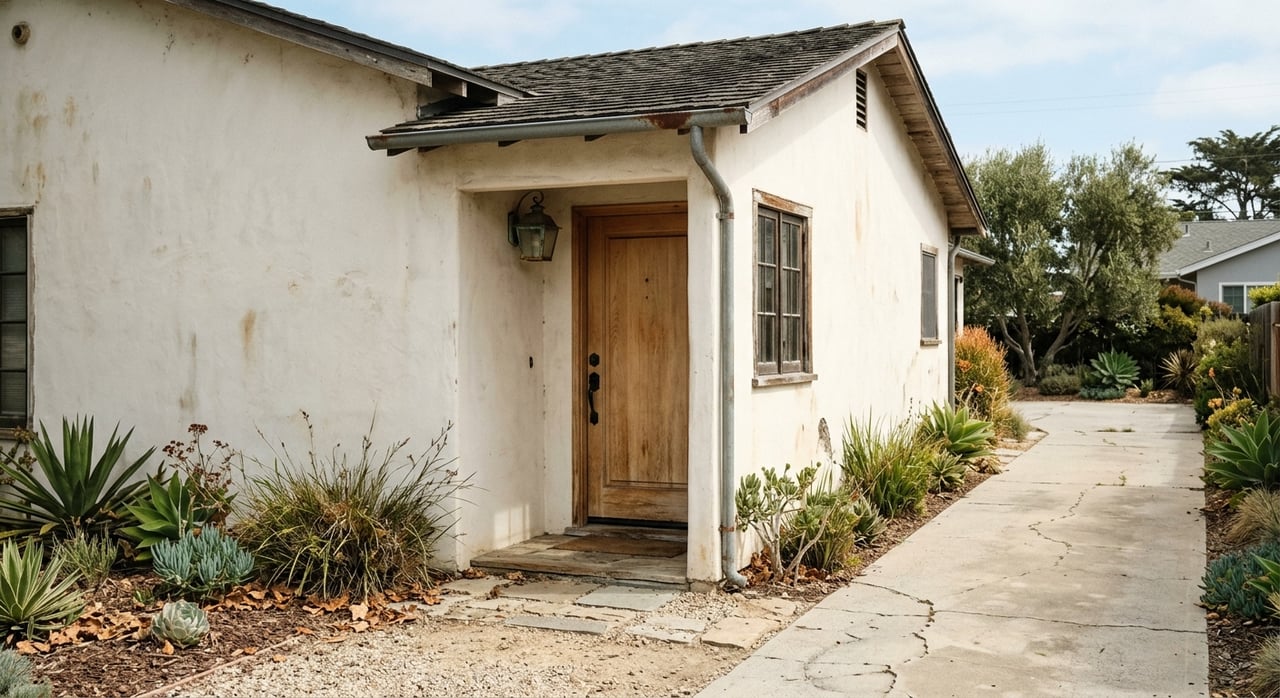
Wondering whether you should fix up your Pacific Beach property before you sell it, or just put it on the market as-is? That question gets more complicated when the home is older, close to the coast, and showing signs of wear. If you are selling a fixer near the water in Pacific Beach, the right strategy usually comes down to protecting your net proceeds while avoiding unnecessary time, cost, and permit headaches. Let’s dive in.
Why Pacific Beach fixers need a strategy
Pacific Beach is a coastal residential community shaped by its beaches, bluffs, and access to Mission Bay. Much of the area was built out after 1930, which means many homes now come with age-related issues like deferred maintenance, dated layouts, or unclear permit history.
That matters because buyers in a premium location still pay close attention to condition. Zillow’s April 2026 snapshot for Pacific Beach shows typical home values around $1,391,698, a median list price of $1,206,333, 97 homes for sale, and a median 18 days to pending. In other words, location is powerful, but buyers still have options.
If your home is near the water, the details matter even more. The City of San Diego reports that sea levels rose 0.71 feet during the 20th century and could rise another 3.6 to 7 feet by 2100, increasing coastal flooding and erosion risk. That often puts extra buyer focus on drainage, exterior condition, and records of past repairs.
Your three main selling paths
When you sell a fixer in Pacific Beach, you usually have three realistic paths. The best one depends on the home’s condition, your timeline, and how much risk or effort you want to take on.
Sell the home as-is for cash
This path can make sense if the property has major deferred maintenance, possible roof or foundation problems, tenant issues, or a seller who values speed and certainty over top-dollar pricing. A cash sale can reduce financing complications and lower appraisal risk, which often makes the process simpler.
The tradeoff is that your buyer pool is usually smaller. As-is cash buyers are often investors, builders, or buyers with cash reserves who expect a discount in exchange for taking on repairs and uncertainty.
Do a targeted pre-sale renovation
This option tends to work best when the home is functional but dated. If you can spend some time preparing the property, updates can help you reach a broader retail buyer pool, including financed buyers who want a move-in-ready home.
Research points to a few projects that sellers most often prioritize before listing. These include whole-home paint, a single-room paint refresh, and a new roof. Kitchen and bathroom upgrades also continue to attract strong buyer interest.
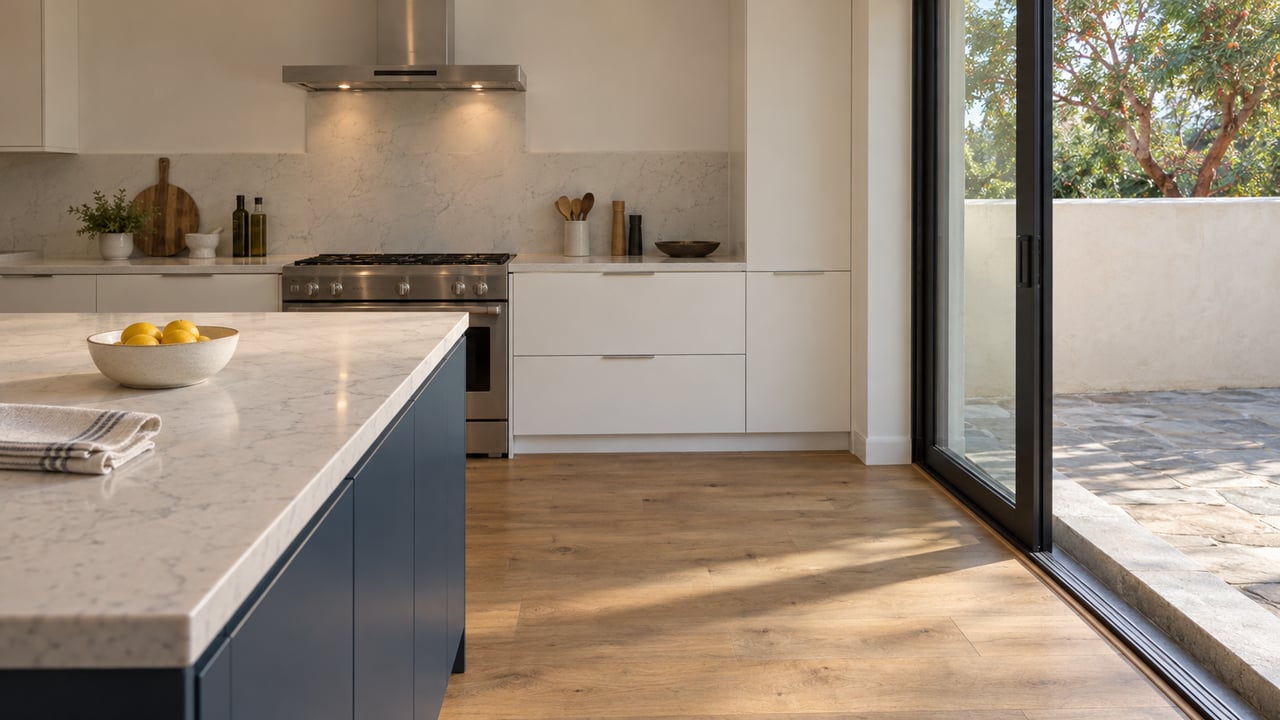
That said, not every renovation is worth the cost. A full kitchen remodel may sound appealing, but the numbers need to support it. NAR reports that homeowners tend to recover about 75% of a kitchen overhaul at resale, while Houzz found a median kitchen spend of $60,000 in 2025. In many Pacific Beach sales, that means a full remodel only makes sense if comparable sales clearly justify it.
Take a hybrid approach
For many coastal fixers, the middle path is the smartest one. Instead of fully renovating the property or selling it untouched, you focus on the improvements buyers notice first and use pricing or concessions to account for the rest.
This approach can include cosmetic updates, staging, and selective repairs while avoiding larger projects that create permit delays or over-improve the home for the market. It is often the most practical way to improve presentation without taking on more construction than necessary.
What buyers notice first near the water
In Pacific Beach, buyers often react quickly to visible condition. A home near the coast may raise questions about moisture, drainage, corrosion, exterior wear, and how well the property has been maintained over time.
That is why first-impression projects often carry more weight than sellers expect. Fresh paint, clean flooring, a well-presented kitchen, repaired exterior surfaces, and tidy landscaping can make a fixer feel more manageable to a buyer.
Staging can help too, even if it is not a guarantee of a higher sale price. NAR’s survey found mixed results, but some buyers’ agents did report price lifts from staging, while others saw no impact. In a market like Pacific Beach, staging often works best as part of a broader plan to make the home feel clean, functional, and easy to understand.
How to decide if renovations will pay off
The question is not whether improvements sound worthwhile. The real question is whether they improve your net proceeds after all costs are counted.
A simple way to think about it is this:
- Expected sale price after improvements
- Minus renovation costs
- Minus financing costs for the renovation
- Minus holding costs during the prep period
- Minus any seller concessions
If that number does not clearly beat your as-is option, the renovation may not be worth doing. In Pacific Beach, where values are strong but buyer expectations are high, this math matters.
Many sellers also need to think about how they would fund the work. Industry research shows many homeowners use home equity loans or lines of credit, savings, or credit cards for remodels. But that still means tying up cash, increasing debt, or both.
This is where Renovation Realty’s model can be especially useful for sellers who want to improve a home without large upfront costs. Because the company is both a licensed brokerage and licensed general contractor, it can fund and manage targeted pre-sale renovations, stage the home, and list it for sale, with renovation costs deferred until close of escrow.
Why permit risk matters in Pacific Beach
Near the water, even modest exterior work can create scheduling risk. The City of San Diego notes that grading permit review may involve checking whether a site falls within environmentally sensitive lands, including coastal beaches, sensitive coastal bluffs, or Special Flood Hazard Areas.
The city also notes that some fences or walls between the shoreline and the first public roadway may need added coastal permit review. That does not mean every project becomes complicated, but it does mean sellers should be careful about taking on exterior work without understanding the timeline.
For many Pacific Beach fixers, that is why targeted interior updates or minor cosmetic improvements may be more practical than broad exterior changes. The goal is to improve marketability without creating avoidable permit friction.
Disclosures are part of the sale strategy
In California, sellers must provide a Real Estate Transfer Disclosure Statement describing the condition of the property before title transfers. Natural Hazard Disclosure rules also require disclosure if a property is located in certain hazard areas, including special flood hazard areas, earthquake fault zones, seismic hazard zones, or very high fire hazard severity zones.
For a fixer near the water, this means your documentation matters. Permit history, prior water intrusion, completed repairs, and known property conditions can all become important during negotiations.
In Pacific Beach, disclosures should not be treated like a last-minute paperwork task. Because the area is defined by its coastal setting, buyers often look closely at records, maintenance history, and signs that the property has been responsibly cared for over time.
The best approach is usually selective
Most sellers do not need to choose between two extremes. You usually do not need to fix everything, and you usually should not ignore obvious problems that will hurt buyer confidence.
In many Pacific Beach sales, the strongest strategy is to choose the smallest set of improvements that can clearly improve your expected net proceeds. That may mean paint, flooring, staging, selective kitchen or bath updates, roof work, or repair documentation, while skipping larger projects that add cost without clear return.
This is especially true if you are downsizing, handling an inherited property, dealing with a tenant issue, or trying to sell without draining your savings. A focused plan can reduce stress and help you keep more control over the process.
How Renovation Realty can help
Selling a fixer near the water can feel overwhelming when you are weighing repairs, timing, disclosure prep, and pricing strategy all at once. Having one accountable team can make that process much simpler.
Renovation Realty offers multiple paths for sellers in San Diego County, including pre-sale renovations funded and managed by the company, staging and professional marketing, as-is cash purchases for fast closings, and a Seller Advance Program for short-term liquidity needs. That means you can compare your options based on your timeline, the home’s condition, and your likely net outcome.
If you want to sell smart in Pacific Beach, the goal is not to chase the biggest renovation. It is to choose the path that best protects your equity while keeping the process manageable. To explore your options, book a free home evaluation with Renovation Realty (CA).
FAQs
Should you renovate before selling a fixer in Pacific Beach?
- It depends on whether the expected price increase will outweigh renovation costs, holding costs, financing costs, and any concessions, while also avoiding permit delays.
What repairs matter most when selling near the water in Pacific Beach?
- Buyers often pay close attention to drainage, exterior condition, signs of moisture or water intrusion, and documentation for past repairs or permit work.
Is selling a Pacific Beach fixer as-is a good option?
- Selling as-is can be a smart choice if you want speed and certainty, especially when the property has major deferred maintenance, tenant issues, or repair risks.
Do California sellers need disclosures for a coastal fixer property?
- Yes. California sellers must provide a Real Estate Transfer Disclosure Statement, and Natural Hazard Disclosures may also apply depending on the property’s location.
Can you sell a fixer without paying renovation costs upfront?
- Yes. Renovation Realty offers a model that funds and manages pre-sale renovations and defers repayment until close of escrow.