Selling a University City condo or townhome can feel deceptively simple. The footprint may be smaller than a detached home, but the prep work often has more moving parts, especially when HOA rules, shared spaces, parking, and buyer expectations all come into play. If you want your home to feel bright, functional, and move-in ready without wasting time or money on the wrong updates, this guide will walk you through what matters most. Let’s dive in.
Why University City Buyers Notice Different Details
University City attracts buyers who want convenience, efficiency, and low-maintenance living. The community includes UC San Diego, Westfield UTC, major employment centers, and access to six trolley stations identified in the City of San Diego’s updated University Community Plan.
That local setup shapes what buyers tend to focus on. Along with interior finishes, they often pay close attention to commute ease, parking clarity, storage, and how simple the home feels to live in day to day.
Current condo and townhome listings in University City also show strong competition across a wide range of sizes, from compact one-bedrooms to larger multi-level townhomes. In many cases, sellers are competing less on raw square footage and more on presentation, functionality, and how spacious the home feels.
Start With HOA Documents First
Before you paint a wall or schedule a contractor, get your HOA paperwork in order. In California common interest developments, sellers are required to provide buyers with a broad set of association documents and disclosures, including governing documents, current fee information, unpaid assessments or fines, unresolved violation notices, rental restrictions, and the latest Section 5551 inspection report.
The association must provide requested documents within 10 days of a written request and can charge a reasonable, itemized cost-based fee. Ordering this package early gives you time to spot issues that could slow your sale later.
This step is especially important for condos and townhomes because not every part of the property is fully private in the legal sense. Under California guidance, patios, balconies, porches, exterior doors, windows, and even some parking spaces may be exclusive-use common area.
Check Approval Rules Before Making Changes
Some updates that seem minor can still require HOA review. If your governing documents require approval before a physical change is made, the HOA must follow a fair and prompt review process and issue its decision in writing.
That means you should confirm approval requirements before starting any work that affects visible exterior elements or shared-use areas. This can include items like balcony changes, front door updates, patio improvements, exterior lighting, or anything that changes the look of a common or exclusive-use common area.
If you skip this step, you risk delays, violation notices, or last-minute repair demands during escrow. A quick review at the beginning is much easier than fixing a problem after your home hits the market.
Know What Work May Need Permits
In San Diego, many cosmetic updates are generally permit-exempt. Painting, wallpapering, installing flooring, and installing cabinets usually fall into that category.
But structural, electrical, plumbing, and HVAC work usually requires a permit. San Diego also notes that exterior door or window replacements are exempt only when the wall and rough opening do not change, and multi-family homes require permits for those replacements.
For condo and townhome sellers, that distinction matters. If your pre-sale plan involves more than surface-level improvements, make sure the scope is reviewed carefully before work begins.
Focus on the Updates Buyers Actually Feel
In University City, buyers already see listings with fresh paint, bright interiors, open layouts, updated kitchens, and in-unit laundry. Those features are not unusual, so your goal is to meet or exceed that baseline in a clean, cohesive way.
For most sellers, the best return comes from practical refreshes rather than a dramatic full remodel. Small and mid-size floor plans benefit most from updates that improve light, flow, and visual consistency.
Best interior refreshes for smaller layouts
- Fresh interior paint in a limited, cohesive color palette
- Updated lighting that brightens living areas and hallways
- Consistent flooring where possible to reduce visual breaks
- New or refreshed cabinet and door hardware
- Caulk and grout repair in kitchens and baths
- Fixture updates for sinks, showers, and vanities
- Deep cleaning throughout the home, including windows and baseboards
These changes help your home feel larger and more polished. In a condo or townhome, that can make a meaningful difference because buyers tend to notice every finish up close.
Refresh Dated Kitchens and Baths Carefully
If your kitchen or bath feels dated, start with visible wear and tear first. Stained grout, chipped caulk, worn fixtures, dated lighting, and damaged hardware can make the whole home feel less cared for, even when the layout works well.
In many University City listings, buyers are responding to homes that feel clean and ready to enjoy. That usually means a refreshed, well-presented kitchen or bath matters more than an oversized renovation that does not match the rest of the home.
A smart pre-sale strategy often avoids over-improving one room while leaving the rest of the property behind. The better approach is coordinated updates that create a consistent, move-in-ready impression from room to room.
Don’t Ignore the Entry, Patio, or Balcony
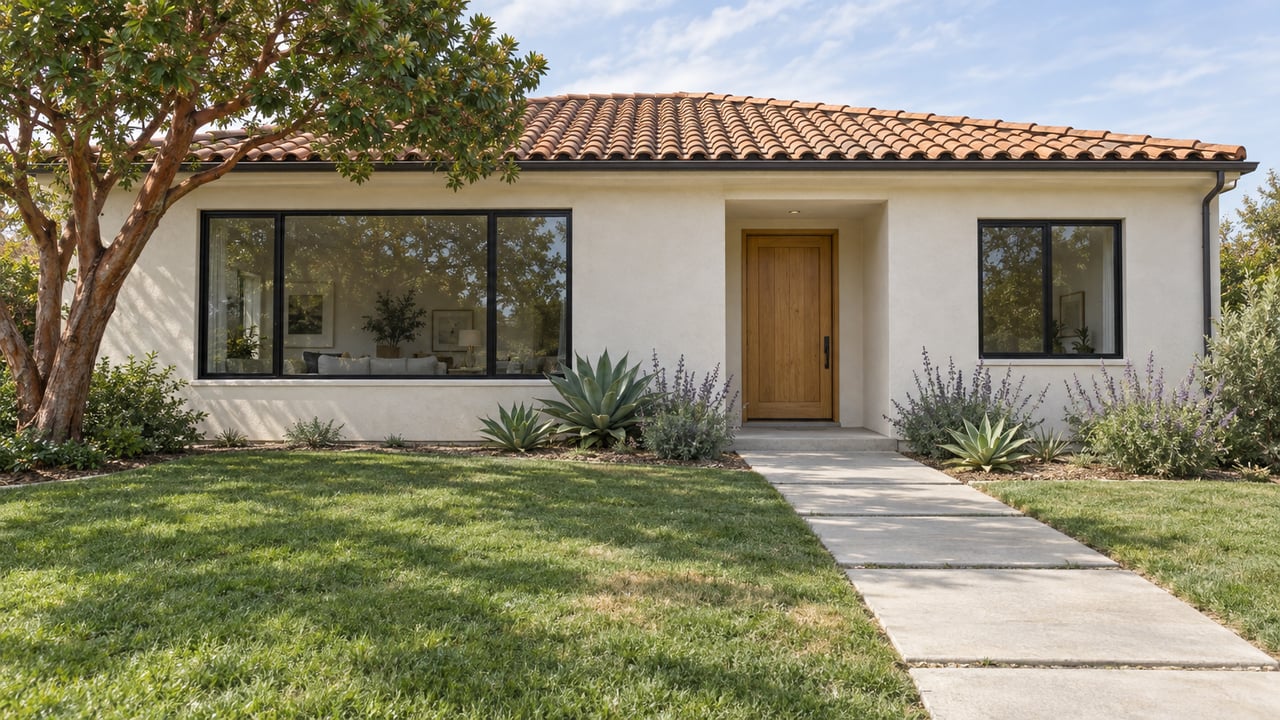
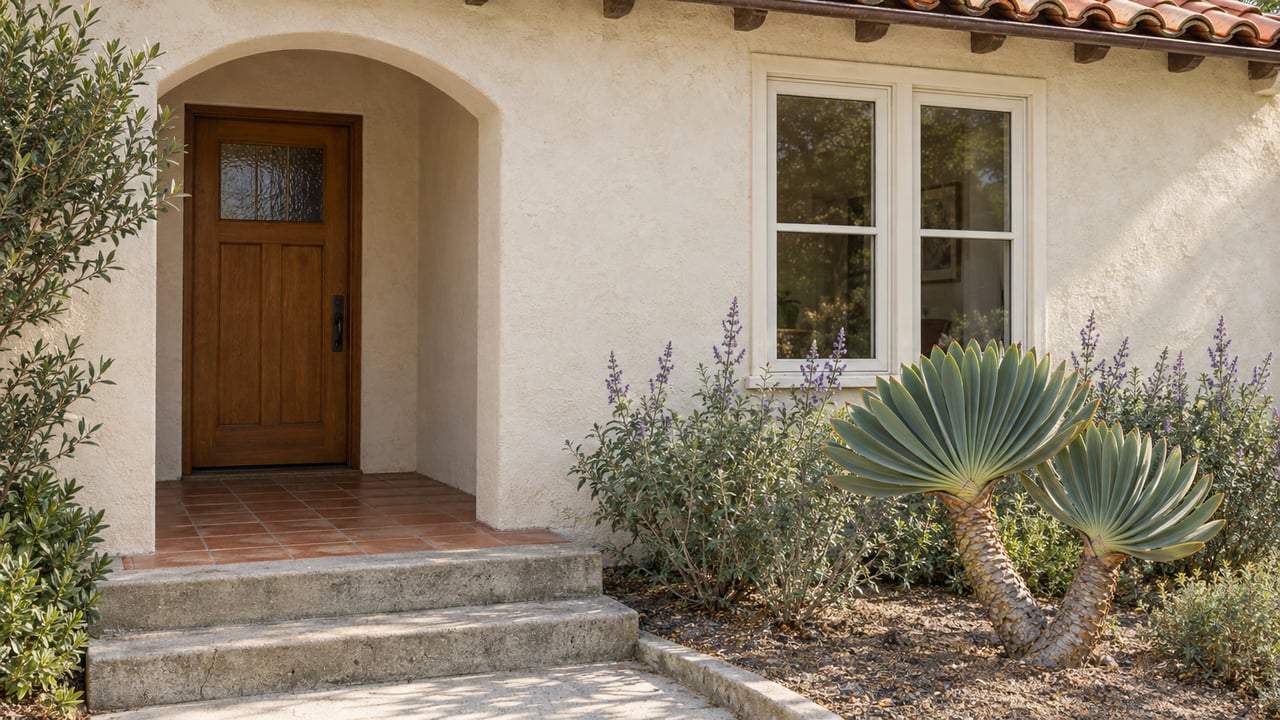
With many condos and townhomes, buyer impressions begin before they walk through the front door. The approach from the parking area, garage, or walkway can shape how well maintained the home feels.
That is especially true in University City, where the community plan emphasizes a more transit-oriented and walkable environment. Buyers may be paying close attention to the quality of the path to the home, the feel of the project, and whether exterior-facing spaces look clean and usable.
Areas that deserve extra attention
- Front door area and entry lighting
- Porch, balcony, or patio furniture and layout
- Railings, visible storage, and clutter
- Garage organization and overall cleanliness
- Any exclusive-use outdoor space that can show function
You do not need elaborate outdoor styling. You just want these spaces to feel tidy, intentional, and low maintenance.
Highlight Function, Not Just Finishes
Because University City homes range from compact condos to larger townhomes, buyers often compare how well each property solves everyday needs. A beautiful unit that lacks flow or feels cramped can lose momentum to a simpler home that feels easier to live in.
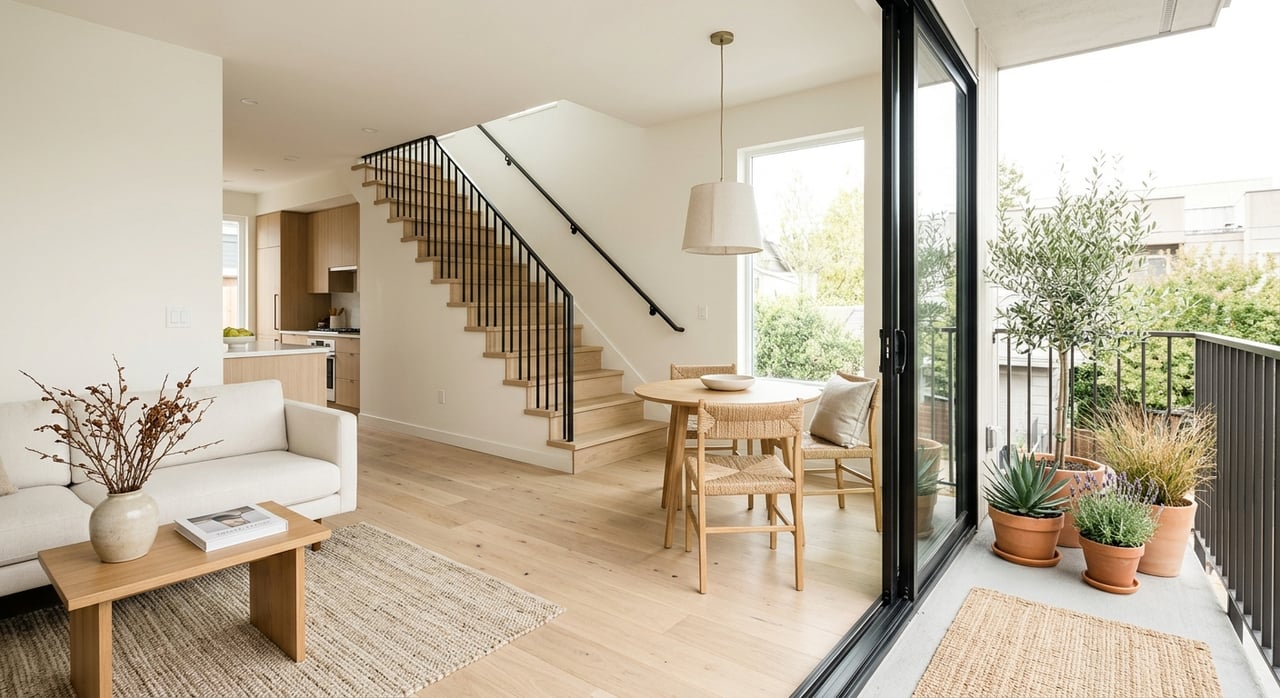
When you prepare your home for sale, think about the features that support daily function. Attached garages, in-unit laundry, storage, open living areas, and private outdoor space all matter because they help buyers picture an easy routine.
Your prep should support that story. Clear surfaces, smart furniture placement, and organized storage can help buyers see how the space works instead of focusing on its size.
Decide Between DIY and Managed Pre-Sale Renovation
DIY touch-ups can make sense when the work is purely cosmetic, HOA rules are clear, and no permits are needed. If you are only handling paint, hardware, cleaning, and small finish repairs, a simple approach may be enough.
But the equation changes when several rooms need coordinated work or when HOA review, contractor scheduling, and permit questions start to stack up. That is when many sellers benefit from one accountable partner managing the renovation and sale process together.
For owners who are short on time, cash, or bandwidth, that can remove a lot of friction. It can be especially helpful if you are downsizing, handling an inherited property, or trying to maximize value without paying renovation costs upfront.
A Practical Prep Plan for University City Sellers
If you want a straightforward way to get started, focus on the steps that reduce surprises and improve market appeal.
Pre-sale checklist for condos and townhomes
- Order your HOA resale documents early.
- Review fees, special assessments, violations, and rental restrictions.
- Confirm whether any planned updates need HOA approval.
- Separate cosmetic work from permit-triggering work.
- Prioritize paint, lighting, flooring continuity, and deep cleaning.
- Refresh kitchens and baths by fixing visible wear first.
- Clean and stage entry areas, patios, balconies, and garages.
- Present the home as bright, functional, and move-in ready.
This approach fits how many University City buyers shop today. They are often looking for a well-presented home that feels efficient, cared for, and easy to enjoy from day one.
If you are preparing to sell and want a simpler path, Renovation Realty (CA) can help you evaluate whether a targeted pre-sale renovation, an as-is cash purchase, or seller advance support makes the most sense for your situation.
FAQs
What should sellers in University City request from the HOA before listing a condo or townhome?
- Sellers should request the HOA disclosure package early, including governing documents, current assessments and fees, unresolved violations, unpaid fines, rental restrictions, approved assessment changes, and the latest Section 5551 inspection report.
Do condo or townhome updates in University City need HOA approval?
- Some do. If the governing documents require approval for physical changes, the HOA must use a fair and prompt review process, so you should verify approval requirements before starting any visible exterior or common-area related work.
What home improvements are usually most helpful before selling a University City condo?
- The most useful updates are often fresh paint, better lighting, flooring continuity, hardware changes, caulk and grout repair, fixture updates, and a thorough deep cleaning.
Do permits matter when preparing a University City townhome for sale?
- Yes. In San Diego, cosmetic work is generally permit-exempt, but structural, electrical, plumbing, and HVAC work usually requires permits, and multi-family door or window replacements may also require permits.
What do buyers in University City often want from a condo or townhome?
- Buyers often look for a bright, move-in-ready home with efficient use of space, clear parking benefits, useful storage, in-unit laundry, and low-maintenance outdoor areas.
Should sellers renovate or sell as-is in University City?
- It depends on the property condition, timeline, budget, and complexity of the work. Cosmetic fixes may be manageable as DIY prep, while broader updates or time-sensitive situations may call for a managed pre-sale renovation or an as-is sale option.