If you have inherited a San Jose home, you may be asking the biggest question first: should you sell it as-is or renovate before listing? In a market where buyers move quickly and condition can shape both interest and price, that decision matters. The good news is that you do not need to renovate everything to make the home more competitive. A focused plan can help you avoid delays, reduce stress, and protect the estate’s value. Let’s dive in.
Why condition matters in San Jose
San Jose remains a high-value, fast-moving market. In April 2026, the median sale price was $1,459,246, with homes selling in about 11 days and receiving 3 offers on average. In nearby Santa Clara, the median sale price reached $1,691,626, with homes selling in about 10 days and receiving 4 offers on average.
That pace matters when you are deciding how much work to do. In a competitive market, buyers often respond strongly to homes that feel clean, updated, and well cared for. Even when demand is solid, visible wear and deferred maintenance can create hesitation and affect the offers you receive.
At the county level, Santa Clara County’s median sale price was $1,695,264, with homes selling at 104% of list price on average and 62.6% selling above list. That does not mean every inherited home needs a full remodel. It does mean that thoughtful presentation can have a meaningful impact.
Start with authority and probate
Before you schedule paint or flooring, confirm who has authority to act for the property. California Courts explains that probate is the legal process used to transfer or inherit property after death when court involvement is needed. If formal probate applies, a judge appoints a personal representative to collect property, pay bills, and distribute what remains to heirs or beneficiaries.
In practical terms, that means the person managing the sale should confirm who can sign contracts, approve work, and make decisions for the estate. This step is especially important if multiple heirs are involved or if you are managing the home from out of the area. Getting clarity early helps you avoid project delays later.
Check permit history before opening walls
Once authority is clear, review the home’s permit history and available records. San Jose’s permit system allows property history searches, which can help you spot prior work before starting new projects. This is one of the smartest first moves for an inherited home, especially if the property is older or has had years of piecemeal updates.
If a project depends on older plans, timing can become important. The City notes that copies of plans for finaled projects may require written authorization and can take up to 60 days to obtain. That is a strong reason to do your due diligence before demolition, redesign, or major contractor scheduling.
Focus on presentation work first
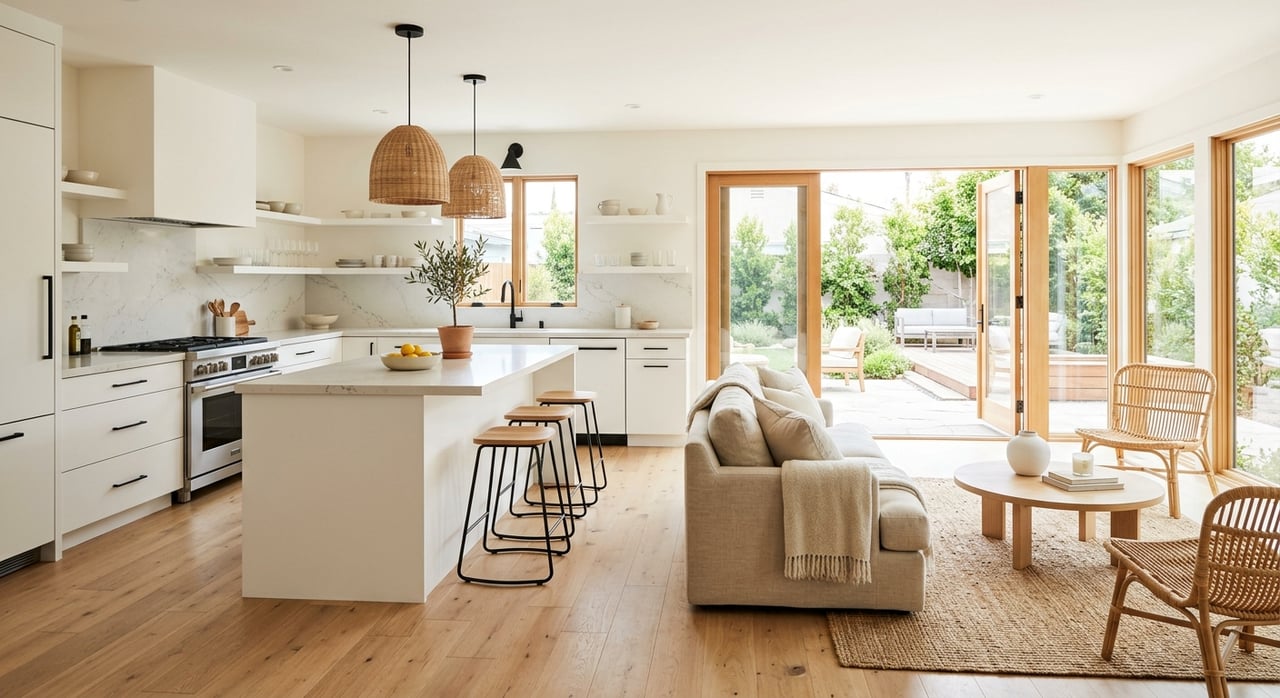
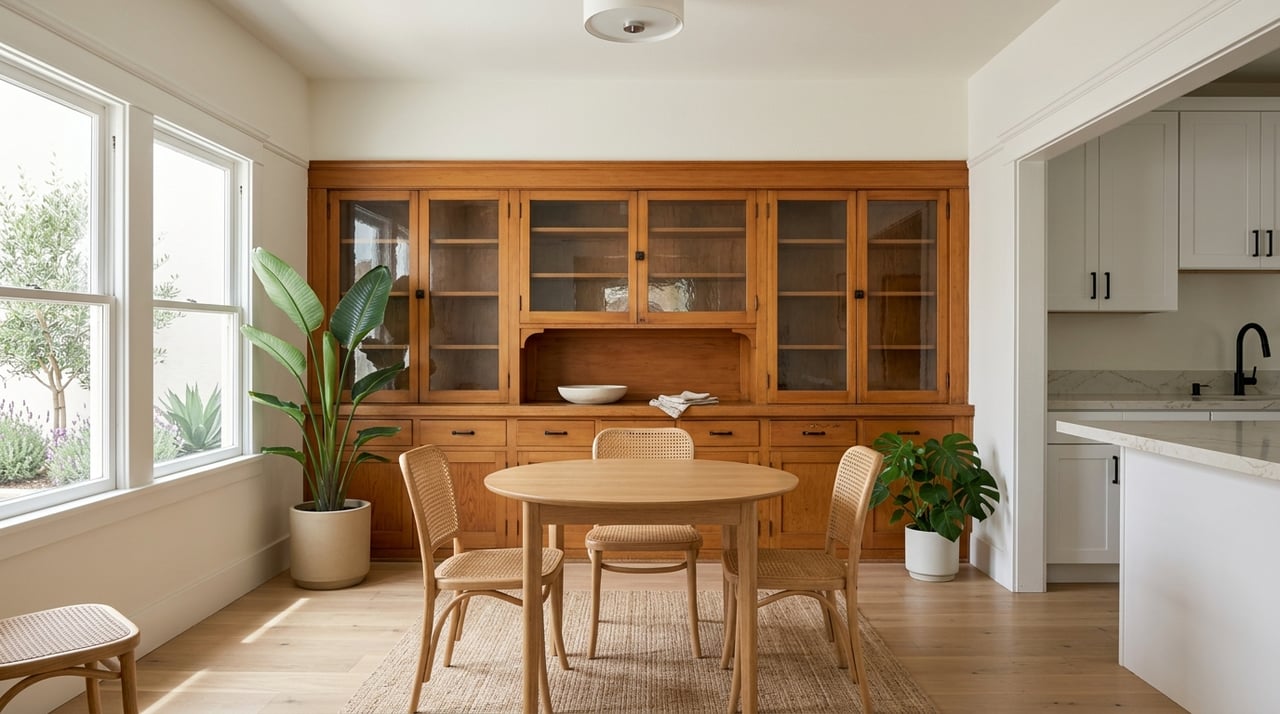
For most inherited San Jose homes, the strongest pre-sale strategy is usually a targeted refresh, not a major remodel. Cosmetic work can improve buyer response without creating avoidable permit issues or extending your timeline. This approach is often the best fit when the estate is time-sensitive, remote-managed, or cash-conscious.
In San Jose, a building permit is not required for cosmetic work such as paint, new flooring, and new countertops. By contrast, permits are required for structural changes, new construction, demolitions, and most plumbing, mechanical, and electrical improvements. That makes presentation work a practical place to start.
A smart scope often includes:
- Fresh interior paint
- New or updated flooring
- New countertops where surfaces are dated or damaged
- Cabinet refacing or replacement
- Repair of visible wear and deferred maintenance
- Light kitchen and bath refreshes
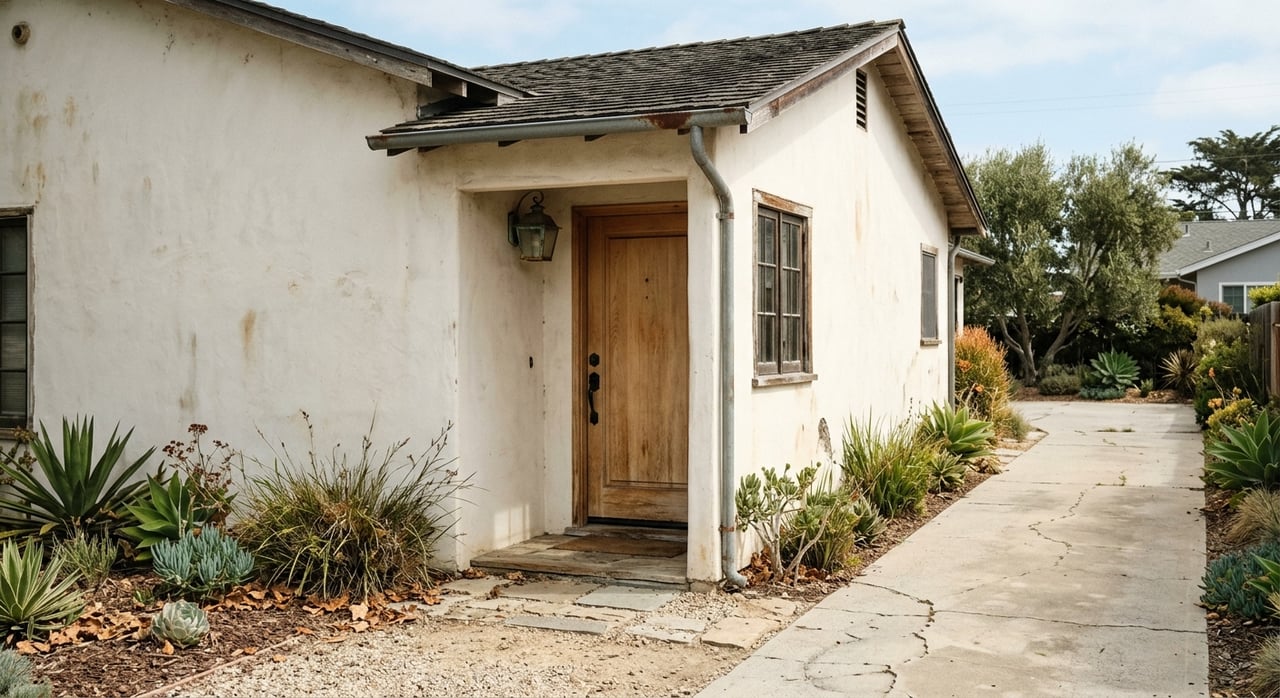
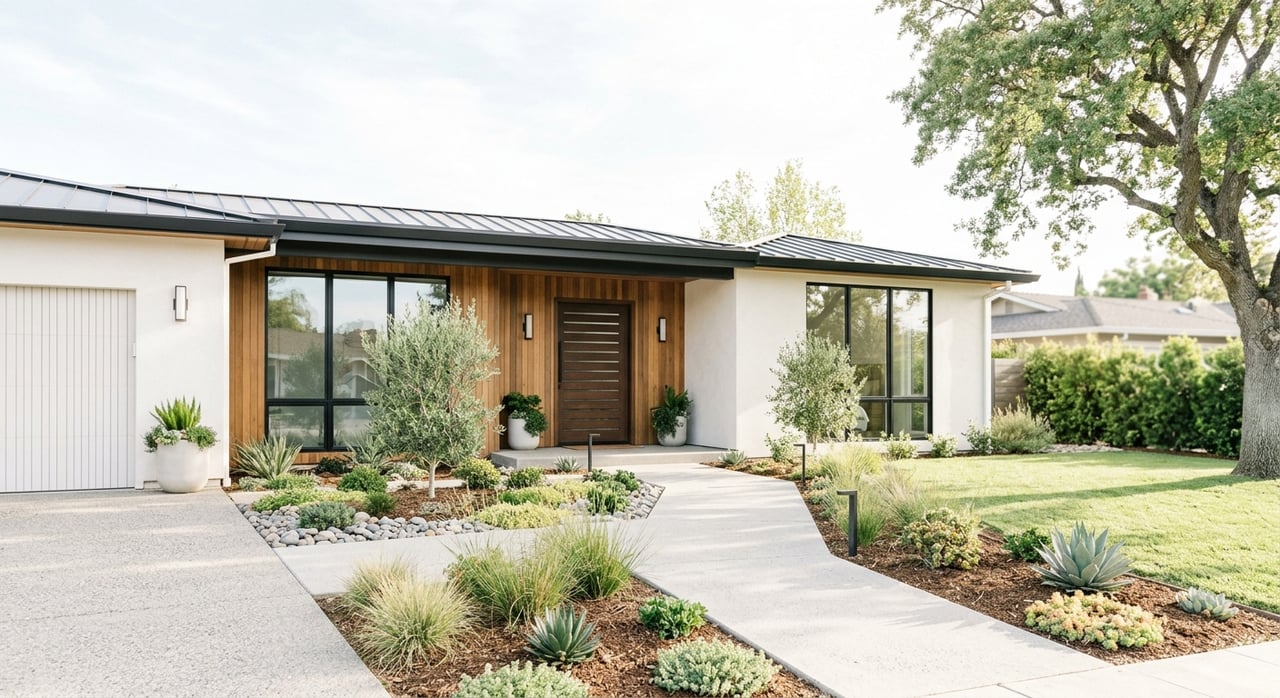
- Curb appeal improvements and basic clean-up
These updates help remove obvious buyer objections. They also tend to keep the project more orderly than changes that involve walls, relocation of systems, or expanded trade work.
Know the difference between cosmetic and major work
This is the line that can save you time and money. Cosmetic work improves how the home looks and feels to buyers. Major work expands the scope, increases coordination, and often requires permits, inspections, and a longer calendar.
In simple terms, cosmetic work may include painting, replacing flooring, swapping countertops, or refreshing cabinets. Scope-expanding work may include moving walls, rewiring, relocating plumbing, or changing mechanical systems. For an inherited home headed to market, that distinction can make the difference between a clean listing timeline and a drawn-out project.
Choose updates with practical payoff
Not every project carries the same value. National remodeling data supports a measured approach instead of an all-out renovation. The 2025 Remodeling Impact Report ranked a new steel front door at 100% cost recovery, closet renovation at 83%, new fiberglass front door at 80%, minor kitchen upgrade at 60%, and bathroom renovation at 50%.
Painting was also described as one of the most cost-effective seller-prep improvements. That lines up well with what many inherited properties need most: a clean, fresh presentation that helps buyers focus on the home’s potential instead of its dated finishes. In many cases, a minor update can do more for your sale than an ambitious remodel.
Watch for permit and compliance triggers
If your inherited San Jose home needs more than cosmetic work, plan carefully before moving ahead. The City states that permits help maintain property value and that unpermitted work must be disclosed when selling. That alone is a good reason to avoid shortcuts.
Permit logistics can affect your schedule. San Jose says a building permit expires 12 months after issuance or 180 days after the last inspection approval. Plan review submittals expire after 180 days unless the permit is picked up or an extension is approved.
You should also confirm who can apply for permits. San Jose states that only property owners and qualified contractors may apply for online permits. Contractors must be licensed, have a valid City of San José Tax Certificate, and work within the permit types that match their CSLB license classification.
Use licensed contractors and written agreements
When an estate property needs work, clear documentation matters. California’s Contractors State License Board says contractors must be licensed for projects that require a building permit or where labor and materials total $1,000 or more. California also requires a written home improvement contract for projects over $500.
If you are an executor or heir managing the home remotely, this is even more important. Written bids, verified licenses, and clear scope definitions help reduce confusion and limit the risk of surprise costs. They also create a cleaner paper trail for estate administration.
Do not overlook lead-safe rules
Many inherited homes in San Jose were built before 1978. If paid work will disturb painted surfaces in a pre-1978 home, federal Renovation, Repair and Painting rules generally apply. The EPA says firms doing this type of work must generally be certified and follow lead-safe work practices.
This can apply to more than major remodeling. It may also affect painting preparation, carpentry, plumbing, electrical work, and window replacement if painted surfaces are disturbed. If the home is older, ask this question early so your timeline and contractor plan stay realistic.
A practical timeline for heirs and executors
When you are handling an inherited property, the order of operations matters. A simple, structured workflow can save weeks of backtracking. It can also reduce the chance of opening a project that becomes bigger than the estate needs.
A practical sequence looks like this:
- Confirm estate authority so you know who can approve work and sign sale documents.
- Review permit history and available records before starting renovations.
- Set a narrow scope focused on cosmetic, permit-light improvements unless safety or code issues require more.
- Use licensed contractors and written contracts for the work.
- Plan for lead-safe compliance if the home was built before 1978 and paint-disturbing work is involved.
- Allow time for permits and inspections if the project goes beyond cosmetic updates.
- List the home once the scope is complete and the property shows well.
For many families, this kind of plan creates a better balance between speed, risk, and return. It keeps the project focused on what matters most to buyers without letting the renovation overtake the estate process.
When a full remodel may not make sense
It is easy to assume that more renovation means a higher sales price. In reality, a full remodel may not be the best path for an inherited home. If the property already has a functional layout and the main issues are cosmetic, a major renovation may add time, permit friction, and decision fatigue without a proportional benefit.
That is especially true when you are facing estate deadlines, coordinating with multiple family members, or managing the property from another city or state. In these situations, the best result is often the smallest set of updates that makes the home feel market-ready and removes visible red flags.
Why a managed pre-sale approach can help
Inherited home sales often come with emotional weight, legal steps, and practical constraints all at once. If you are juggling probate questions, contractor coordination, and sale timing, having one accountable team can simplify the process. That is where a renovate-to-list approach can be useful.
Renovation Realty works with sellers who want to improve a home before sale without taking on the full burden alone. The company funds and manages pre-sale renovations, stages and markets the home, and defers renovation costs until close of escrow. For sellers who need a different path, the brand also offers as-is cash purchases for fast closings and a Seller Advance Program for short-term liquidity needs.
For many heirs and executors, the value is not just the work itself. It is the ability to create a focused plan, keep the project moving, and prepare the home for the market without adding unnecessary friction.
If you are deciding whether to renovate an inherited San Jose home before selling, the goal is not to do everything. The goal is to choose the updates that make the property more competitive, keep the process orderly, and support the best possible outcome for the estate. If you want help evaluating your options, book a free home evaluation with Renovation Realty (CA).
FAQs
Should you renovate an inherited San Jose home before selling?
- In many cases, a targeted refresh makes more sense than a full remodel because cosmetic improvements can improve buyer response without creating major permit delays.
What renovations need permits in San Jose before a home sale?
- San Jose does not require permits for cosmetic work like paint, new flooring, and new countertops, but permits are generally required for structural changes, demolitions, and most plumbing, mechanical, and electrical improvements.
Who can approve renovations on an inherited California home?
- The person with legal authority over the property, often an executor or court-appointed personal representative if probate is required, should confirm they can sign contracts and authorize work before any project begins.
Should heirs check permit history before renovating a San Jose house?
- Yes, reviewing permit history can help identify prior work and reduce the risk of opening a renovation scope without understanding the property’s records.
Do contractors need a license for inherited home renovations in California?
- Yes, California requires contractors to be licensed for projects that require a permit or where labor and materials total $1,000 or more, and written home improvement contracts are required for projects over $500.
Do lead-safe rules apply to older inherited homes in San Jose?
- Yes, if the home was built before 1978 and paid work will disturb painted surfaces, certified firms generally must follow lead-safe Renovation, Repair and Painting rules.
Is a full remodel worth it before listing an inherited Bay Area home?
- Not always, because in a strong market like San Jose, a smaller set of visible improvements often provides a better balance of timeline, risk, and return than a larger remodel.