Selling a North Park Craftsman can feel like a balancing act. You want your home to look fresh and market-ready, but you do not want to strip away the details that make it feel like North Park in the first place. The good news is that the right pre-sale updates can highlight your home’s character, improve presentation, and help you avoid unnecessary project headaches. Let’s dive in.
Why Craftsman details matter in North Park
North Park is known for its older housing stock, including many classic Craftsman and California Bungalow homes. According to the City of San Diego and the North Park historic resources survey, these homes are a defining part of the neighborhood’s architectural identity, especially those built from the 1910s through the 1930s.
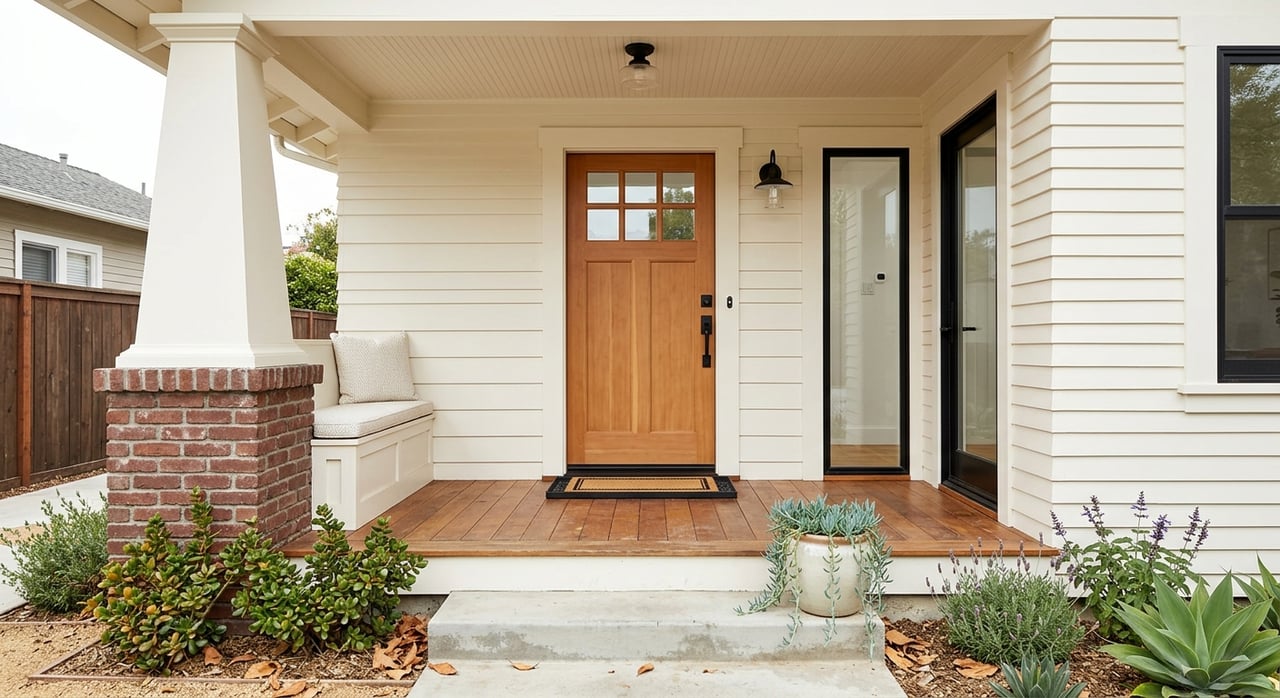
That matters when you prepare to sell. Features like low-pitched roofs, wide eaves, exposed rafters or braces, wood cladding, front porches, heavy porch piers, grouped wood windows, and wide trim help buyers recognize the style right away. When those details are preserved, your home can feel more authentic and more connected to the neighborhood.
Update the home, not its identity
The smartest pre-sale strategy is usually not a full style reset. It is a focused refresh that improves condition and livability while keeping the visual cues that make the home read as a Craftsman.
That means you should think carefully before replacing original materials with generic new ones. In many cases, a repair, refinish, or compatible upgrade can make a stronger impression than a remodel that looks out of place with the rest of the house.
Focus on original woodwork and built-ins
Original interior details often do a lot of the selling for you in a Craftsman home. Trim, stair parts, built-ins, and wood floors create warmth and texture that buyers notice as soon as they walk in.
Preservation guidance from the National Park Service supports protecting and maintaining original materials first, then repairing them, and replacing them only when deterioration is too severe. For a seller, that often means refinishing wood floors, touching up trim, and repairing built-ins instead of swapping them out for flat, modern finishes.
If your home has visible wood details, these are often worth highlighting before listing:
- Original or older wood floors
- Built-in cabinetry or shelving
- Wide door and window trim
- Stair railings and newel posts
- Solid wood interior doors
A clean, well-maintained original feature usually adds more character than a rushed replacement.
Be careful with windows and doors
Windows and doors are some of the most important style markers on a North Park Craftsman. The local survey specifically notes grouped wood windows and wide surrounds as common features in the area.
If your windows or doors show wear, repair may be a better move than replacement. The National Park Service notes that historic wood windows and solid wood doors can often be repaired or upgraded, and that weatherstripping and caulking may improve performance without changing the look too much.
If replacement becomes necessary, street-facing and other highly visible windows should match the historic windows in material and detail as closely as possible. For many sellers, this is a key place to slow down, confirm requirements, and avoid choices that may hurt curb appeal or create review issues.
Keep kitchens and baths simple and functional
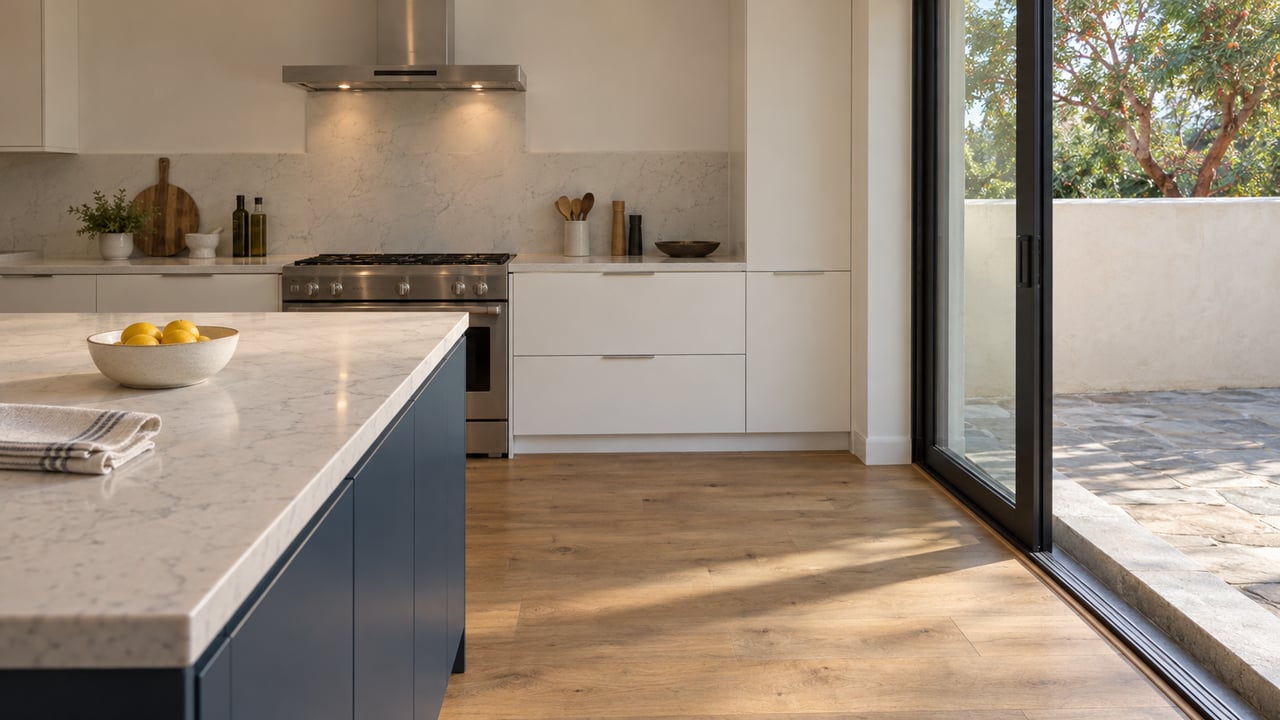
Kitchens and baths matter to buyers, but in a Craftsman home, bigger is not always better when you are preparing to sell. A clean refresh often does more for your return than a major reworking of the floor plan.
San Diego rules can also favor simpler updates. The City says some kitchen and bath work may move forward with less paperwork when the project stays within the existing layout. Cabinet-and-countertop relocation and like-for-like tub-to-tub or shower-to-shower replacement are listed as common permit exemptions, and a no-plan permit may apply to kitchen and bath remodels with no structural changes, no exterior-wall changes, and no added plumbing fixtures.
That said, historical review may still be required if the property is in a historic district or is a designated historical resource. Before you start ordering finishes, it is smart to confirm your parcel’s status and project scope.
Choose lighting that fits the house
Lighting is one of the easiest ways to make a North Park Craftsman feel brighter and more current. It can also be one of the easiest ways to push the home too far away from its original character.
The better approach is usually to modernize with restraint. Compatible light fixtures, improved brightness, and clean hardware can help the home show better while preserving the trim, ceilings, and interior details that give the space its personality.
When you update lighting before a sale, aim for fixtures that feel simple, warm, and in scale with the house. You want the home to feel refreshed, not disconnected from its architecture.
Check historic status before exterior work
This is one of the most important steps for North Park sellers. The City of San Diego says historic preservation review applies to permit applications for parcels with structures that are 45 years old or older, as well as projects involving designated historic properties or historic districts.
That is especially relevant in North Park, where many homes were built long before current rules were adopted. The city’s historic district work program includes North Park-area districts such as Park Boulevard Residential, Altadena, and Kalmia Place, among others.
Before starting exterior work, verify whether your parcel has any historic status or review requirements. This matters even more if you are considering:
- Window replacement
- Exterior wood repair
- Roof work
- Porch changes
- Facade updates
- Any visible alteration to the front of the home
Checking first can help you avoid delays, change orders, and materials that may not be approved.
Do not assume permit-exempt means review-free
A lot of sellers hear that a project is permit-exempt and assume they are in the clear. In San Diego, that is not always the case.
The City states that even work that is otherwise permit-exempt may still require historical review if it involves a designated historical resource or a property in a historic district. That is why it is important to look at both the type of work and the property’s status before moving forward.
This is one reason many sellers prefer a pre-sale plan with tight scope control. Smaller, well-targeted updates are often easier to manage than broad renovation ideas that create more review and permit complexity.
Plan for lead-safe work in older homes
If your North Park Craftsman was built before 1978, lead-based paint may be part of the equation. This is especially important if your pre-sale refresh includes sanding, scraping, repainting, or repairing older trim, windows, or doors.
The EPA says most housing built before 1978 is covered by the federal lead-based paint disclosure rule. It also notes that lead-based paint is common in older homes, especially those built before 1940.
For sellers, the practical takeaway is simple:
- Treat paint disturbance carefully in older homes
- Plan renovation work with lead-safe precautions
- Use lead-safe certified contractors when required for renovation, repair, and painting that disturbs lead-based paint in pre-1978 homes
This is not the area for shortcuts, especially when you are preparing a home for market.
What a smart pre-sale refresh can look like
For many North Park Craftsman sellers, the best results come from a selective approach. You do not need to erase the past to improve the sale.
A strong pre-sale refresh often includes:
- Refinishing or cleaning original floors
- Repairing and painting trim where appropriate
- Refreshing built-ins instead of removing them
- Improving kitchens and baths without changing layout unnecessarily
- Updating lighting and hardware with compatible finishes
- Tidying the porch and exterior details that define the style
- Confirming permit and historic-review requirements before work starts
This kind of plan respects the home’s architecture while making it easier for buyers to picture themselves living there.
Why a managed pre-sale plan can help
If you are selling an older home, the hardest part is often not deciding what to update. It is managing timing, scope, contractors, permits, and costs without losing momentum.
That is where a focused renovate-to-list approach can make a difference. With the right plan, you can concentrate on the updates most likely to improve presentation and preserve character, instead of overspending on changes that do not fit the house.
For sellers who are downsizing, handling an inherited property, or trying to sell without a lot of cash on hand, having one accountable team can also reduce friction. Renovation Realty funds, manages, renovates, stages, and lists homes, with renovation costs deferred until close of escrow, which can help you prepare a home for market without paying those costs up front.
If you are weighing whether to refresh your North Park Craftsman, sell as-is, or explore a faster exit path, talking through the options early can save time and stress. To explore your next step, book a free home evaluation with Renovation Realty (CA).
FAQs
What Craftsman features matter most when selling a North Park home?
- In North Park, visible features like porches, grouped wood windows, wide trim, woodwork, and other classic Craftsman details help preserve the home’s architectural identity and can strengthen buyer appeal.
Do North Park Craftsman window replacements need extra review?
- They may, especially if the home is in a historic district, is a designated historical resource, or is on a parcel with a structure that is 45 years old or older and subject to review.
Can you update a North Park Craftsman kitchen without major permits?
- In some cases, yes. The City of San Diego says certain kitchen and bath updates may qualify for permit exemptions or a no-plan permit if there are no structural changes, no exterior-wall changes, and no added plumbing fixtures.
Do permit-exempt projects in North Park still need historic review?
- Yes, they can. San Diego states that even otherwise permit-exempt work may still require historical review for designated historical resources or properties in historic districts.
Should you worry about lead paint in an older North Park Craftsman?
- Yes, if the home was built before 1978 and your project will disturb painted surfaces. Lead-safe precautions and lead-safe certified contractors may be required for certain renovation, repair, and painting work.
Is it better to restore or replace original Craftsman details before selling?
- Often, repair and refinishing are the better first options. Guidance cited in the research supports protecting and maintaining original materials before turning to replacement, especially when those details define the home’s character.