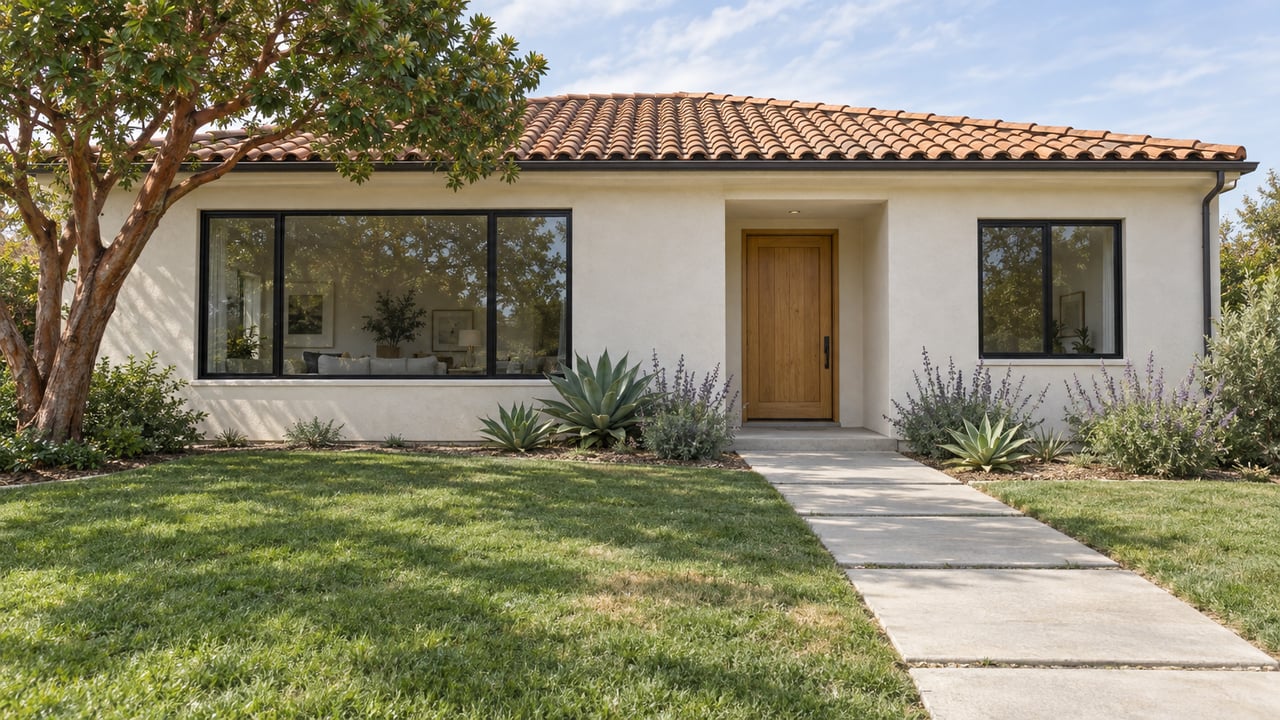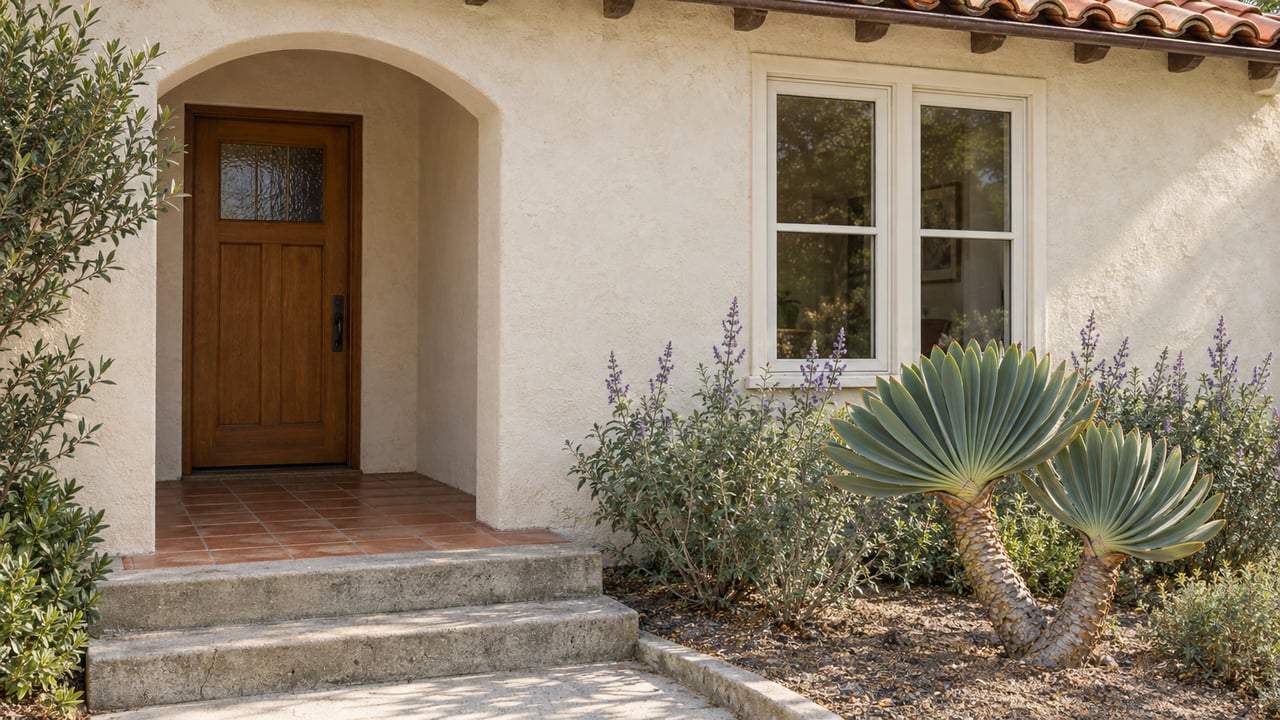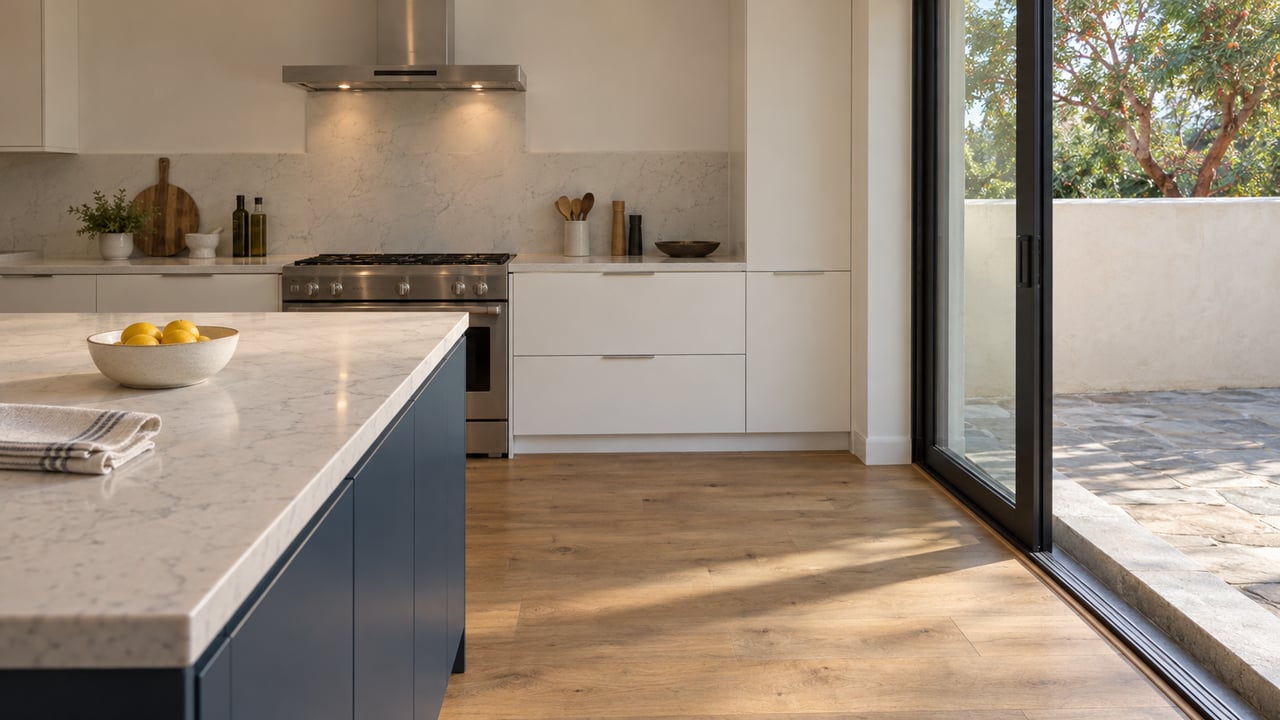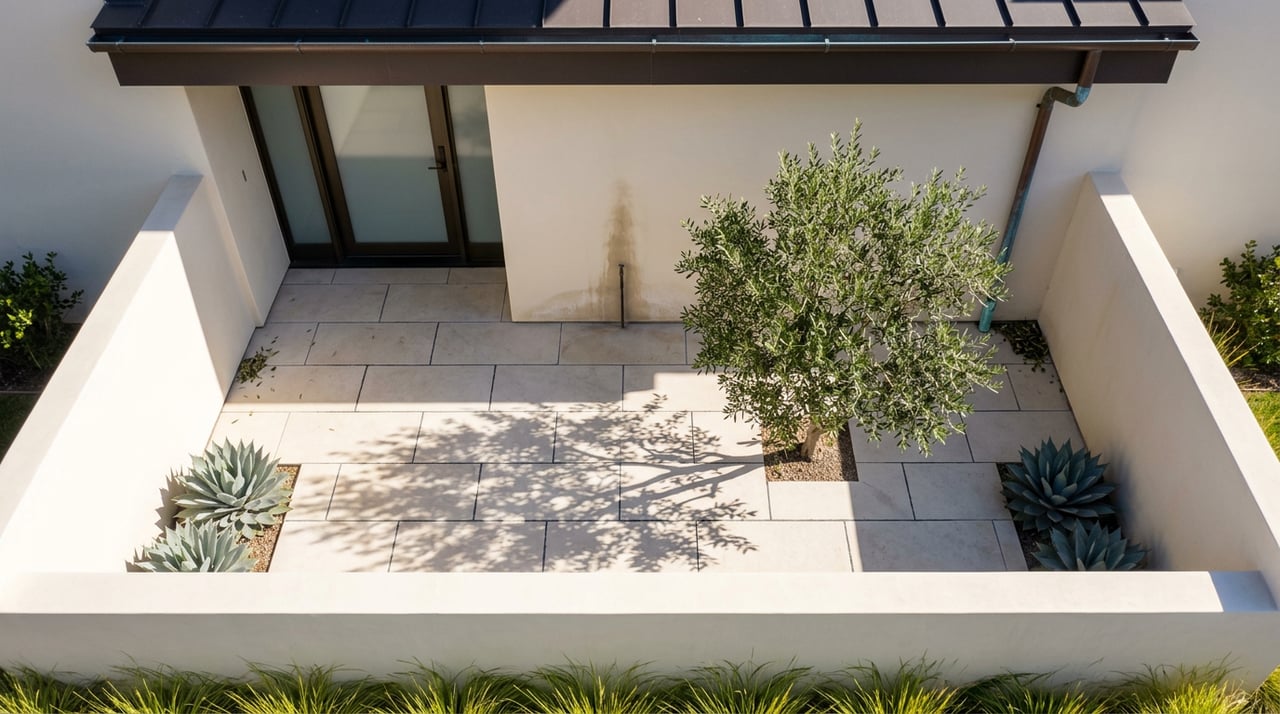
If you own a home in Pacific Beach, you may be weighing two goals at once: earn rental income now and protect your resale value later. That balance can be tricky in a coastal neighborhood where tenant wear, salt air, older housing stock, and buyer expectations all show up fast. The good news is that with the right maintenance, finish choices, and listing prep, you can keep your property working for you without making it harder to sell. Let’s dive in.
Why this balance matters in Pacific Beach
Pacific Beach sits between the Pacific Ocean and Mission Bay, and much of the neighborhood was built out after 1930. That means many homes offer strong location appeal but may also come with older systems, ongoing upkeep, and more exposure to moisture and corrosion.
That matters because Pacific Beach is both a sought-after sales market and a meaningful rental market. Typical home values are roughly in the $1.4 million to $1.5 million range, homes often go pending in about three to four weeks, and median monthly rent is around $3,400. In a competitive market like that, buyers tend to notice condition closely.
For you as an owner, the takeaway is simple. Rental income can be attractive, but deferred maintenance and visible wear can chip away at your leverage when it is time to list.
Rentability and resale are not opposites
A common mistake is treating a rental property and a future listing like two separate strategies. In reality, the best approach is usually to make decisions that support both.
If a finish is durable, easy to clean, and neutral enough to appeal to future buyers, it can help you during the rental period and again at resale. If a repair reduces operating risk and improves appearance, it may also help prevent inspection issues later.
In Pacific Beach, that overlap is especially important because coastal exposure can make small issues look bigger over time. What seems like minor rust, peeling caulk, or soft flooring during a tenancy can become a buyer concern once the home is under a microscope.
Keep rental use compliant
If you are using the home as a short-term rental, compliance should be part of your resale planning. In San Diego, stays under one month require a Short-Term Residential Occupancy license, a Transient Occupancy Tax certificate, and rental unit business tax when the property is rented more than six days in a calendar year.
The City of San Diego also states that ADUs may not be used as short-term rentals. If you plan to rent close to your eventual list date, clean records and clear compliance can help reduce questions during the sale process.
This does not just affect operations. It can also affect your timeline, your disclosures, and the paper trail a buyer may want to review.
Treat habitability items as priority repairs
California guidance makes habitability a core landlord responsibility. That includes keeping the unit fit for human occupancy in areas such as waterproofing, plumbing, gas, heating, electrical systems, sanitation, trash, floors, stairways, and railings.
For resale, that means some issues are more than cosmetic. Water intrusion, mold tied to moisture, damaged flooring, broken windows, failing stairs, and unsafe railings can become bigger negotiation points if they are left unresolved.
If you want to preserve value, focus first on items that affect livability and risk. These problems tend to cost less to fix early than they do after a buyer inspection.
Choose finishes that hold up in a coastal rental
Pacific Beach's location near the ocean creates extra wear from humidity, salt exposure, and coastal air. FEMA coastal construction guidance supports the use of more substantial materials and detailing that resist corrosion, moisture, and decay while reducing maintenance.
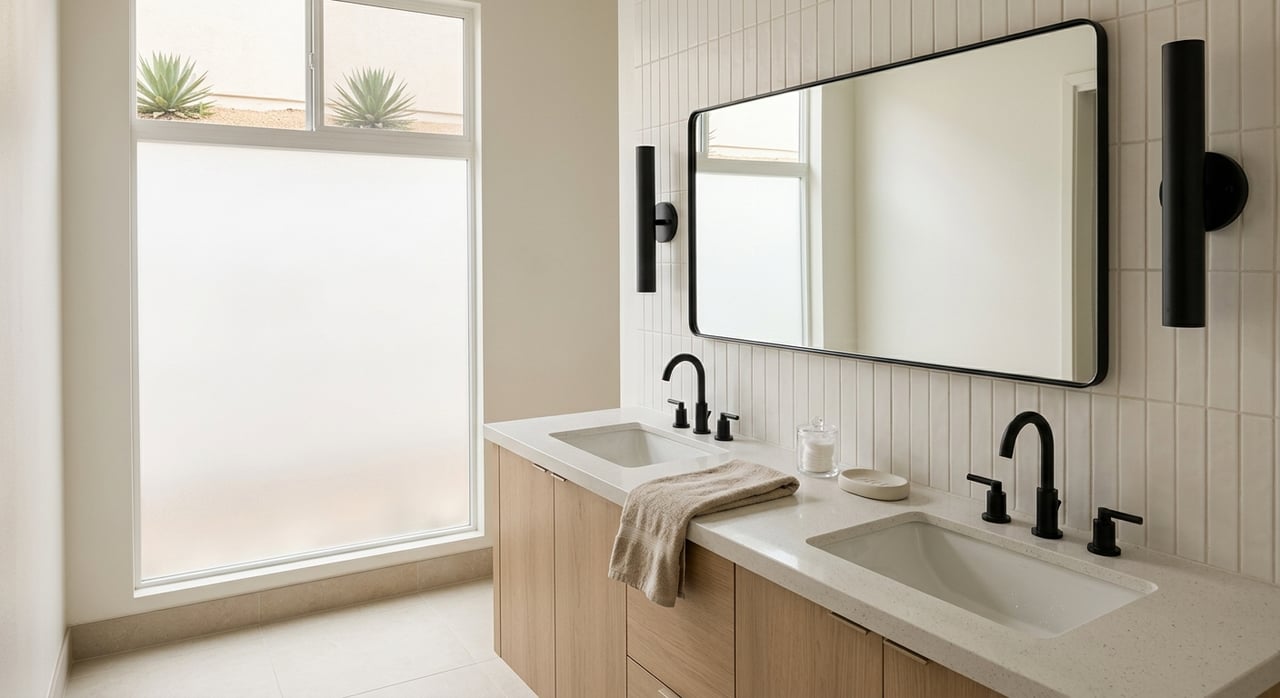
For a home that may be rented now and sold later, durable and simple often wins. You want materials that can absorb day-to-day use without looking tired before listing photos or showings.
Consider prioritizing:
- Moisture-resistant paint
- Low-porosity counters
- Tile or other hard-wearing flooring in high-use areas
- Corrosion-resistant metal finishes for fixtures and hardware
- Neutral colors that are easier to touch up
By contrast, delicate trim, lower-grade fixtures, and highly custom color choices may show wear faster. They can also make the refresh before listing more expensive than it needs to be.
Build a maintenance paper trail
One of the smartest ways to protect resale value is also one of the simplest: document everything. California habitability guidance specifically notes the value of photos, video, and written repair requests when conditions need attention.
For you, that means keeping organized records of repairs, maintenance invoices, inspection notes, and before-and-after photos. If a roof leak was repaired, a plumbing issue was resolved, or recurring dampness was corrected, you want that history easy to find.
This matters because undocumented wear often turns into sale-time doubt. Buyers may assume the worst when they see signs of past issues without a clear record of what was fixed.
Watch for the coastal trouble spots
In Pacific Beach, some maintenance items deserve extra attention because coastal conditions can speed up wear. Corrosion rates are affected by humidity, wind, rainfall, salt exposure, and distance from the shoreline.
That means regular inspection and cleaning of exposed surfaces can pay off. A few low-cost fixes now may help you avoid repair credits, objections, or a weaker first impression later.
Pay close attention to:
- Exterior hardware showing rust or corrosion
- Failing caulk around windows, doors, and wet areas
- Soft or damaged flooring
- Signs of roof leaks or water intrusion
- Damp areas that may point to mold risk
- Worn stairways, railings, or other safety-related surfaces
These are not glamorous projects, but they often do more to protect your sale price than style-driven upgrades.
Focus on a pre-list refresh, not a full overhaul
Before listing, many Pacific Beach owners do better with a focused refresh than with an open-ended remodel. In a competitive market, visible condition matters, but that does not always mean you need to gut a kitchen or redo every room.
Industry findings cited in the research support modest, visible improvements. Staging can increase offers, staging often helps reduce time on market, and the rooms with the biggest impact are typically the living room, primary bedroom, and kitchen.
That supports a practical pre-sale plan built around presentation and repair. Often, paint, lighting, hardware, deep cleaning, and correcting visible defects do more for resale than broad style changes.
Know when permits matter
If your refresh crosses into plumbing, mechanical, or electrical work, permit rules matter. The City of San Diego requires permits for many remodels and repairs, and some kitchen and bathroom remodels may qualify for a no-plan permit only if they do not change wall framing or exterior walls or add plumbing fixtures.
For you, that means scope control is important. A short, permit-aware punch list is often safer and faster than a remodel that expands halfway through.
This is especially true if you want to keep the property rentable for as long as possible before listing. Delays from unclear scope or permit issues can eat into both rental income and your planned sale timeline.
A practical Pacific Beach game plan
If your goal is to balance rental use and resale value, think in stages. You do not have to do everything at once, but you do need a plan that protects condition while keeping your exit options open.
A smart sequence may look like this:
During the rental period
- Stay current on required short-term rental compliance if applicable
- Address habitability-related repairs quickly
- Use durable, easy-care finishes when replacing worn materials
- Inspect regularly for moisture, corrosion, and safety issues
- Keep photos, invoices, and written records of all work
A few months before listing
- Review visible wear room by room
- Fix high-visibility repair items first
- Deep clean and simplify finishes or colors that feel overly personal
- Check whether any planned work requires permits
- Start shaping a limited, ROI-focused scope
Right before listing
- Refresh paint where needed
- Update lighting or hardware if worn
- Prioritize presentation in the living room, primary bedroom, and kitchen
- Complete final touch-ups that help the home show as well maintained
- Prepare the property to feel easy to own
When one accountable team can help
If you are trying to time the shift from rental to resale, coordination matters. The more vendors involved, the easier it is for scope, scheduling, and accountability to get muddy.
That is why many sellers prefer a single team to manage the renovation plan, staging, and listing strategy together. For owners who are cash-constrained, time-pressed, handling an inherited property, or dealing with a tenant-worn home, that can reduce stress and create a clearer path to market.
Renovation Realty’s model is built around that kind of hands-on support. As a licensed contractor and brokerage, the team can fund and manage targeted pre-sale renovations, stage the home, and list it for sale, with renovation costs deferred until close of escrow.
If a full pre-sale update is not the right fit, other options may matter too. Depending on your situation, an as-is cash purchase or a Seller Advance Program may offer more flexibility.
If you are deciding whether to keep renting, refresh now, or prepare for a sale in Pacific Beach, Renovation Realty (CA) can help you evaluate the options and build a plan around your timeline and goals.
FAQs
What repairs matter most for resale in a Pacific Beach rental property?
- In Pacific Beach, habitability and visible-condition items should come first, especially water intrusion, mold tied to moisture, damaged floors, failing caulk, corroded hardware, and worn stairways or railings.
What short-term rental rules apply to a Pacific Beach home before selling?
- In San Diego, short-term stays under one month require an STRO license, a Transient Occupancy Tax certificate, and rental unit business tax when the property is rented more than six days in a calendar year, and ADUs may not be used as short-term rentals.
What finishes work best for a Pacific Beach home used as both a rental and a future listing?
- Durable, easy-to-clean, visually neutral materials usually work best, such as moisture-resistant paint, low-porosity counters, hard-wearing flooring in busy areas, and corrosion-resistant fixtures and hardware.
Do you need permits for pre-sale updates in Pacific Beach?
- Many remodels and repairs in San Diego require permits, especially when work involves plumbing, mechanical, or electrical systems, so it is important to define the scope early before starting updates.
How can you protect resale value while a Pacific Beach property is still rented?
- The best approach is to stay compliant, handle repairs promptly, inspect regularly, document all work with photos and records, and choose maintenance-friendly materials that still appeal to future buyers.