Over the three months ending May 2026, the typical home in San Diego's San Carlos neighborhood found a buyer in about fourteen days, a shade faster than the same window a year earlier. Forty-two homes closed in May alone, up from thirty-nine the year before. By the standard an agent uses to judge a market, San Carlos is fast.
None of that speed belongs to the executor who inherited the house. The case that has to clear before that person can sign anything runs on San Diego County's probate calendar, and the county's own estimate for a full administration is nine months to a year and a half, longer if the estate is contested or a federal estate tax return is required. The house moves in two weeks. The legal authority to sell it can take most of a year to arrive. Anyone settling an estate in San Carlos is really managing two separate clocks, and confusing them is where most of the stress in a probate sale comes from.
Two Clocks, One House
San Diego runs probate differently than a reader might expect from a county this size. Every probate matter in the county, whether the decedent lived in Oceanside, Chula Vista, or San Carlos, is filed at one location: the Central Courthouse at 1100 Union Street downtown, heard out of departments C-501 through C-504. There is no probate counter at the regional courthouses. The East, North, and South County branches route everything back to Central.
That single-courthouse structure carries real volume. San Diego recorded 2,318 estate and trust probate filings in fiscal year 2024 to 2025, the fifth-highest count of any California county. Since March 1, 2024, the court has also run a rule change that most people settling an estate never hear about until they're in it: a mandatory hearing-setting attachment (form PR-198) that puts an initial hearing on the calendar just 15 to 30 days after filing, or 30 to 45 days if the petitioner elects the longer window. That's fast for a court this size. It's also easy to lose the benefit of, because a probate examiner reviews every filing before the hearing date and posts notes flagging anything missing, a signature, a piece of service that wasn't completed, a document that didn't get filed. Clear the notes and the hearing proceeds as scheduled. Miss one, and the matter typically gets continued, which on a calendar this dense can cost a full cycle. The probate division's own site is where those notes post, and checking it before a hearing date is the difference between staying on the fast track the county built and falling off it.
The Fork That Actually Sets the Timeline
The single biggest variable in how long a San Carlos probate sale takes isn't the market. It's which kind of authority the court grants the personal representative.
| Full IAEA Authority | Limited Authority | |
|---|---|---|
| Court confirmation to sell | Not required | Required |
| Notice to heirs | Notice of Proposed Action, 15 days | Notice of Proposed Action, plus court hearing |
| If a beneficiary objects | Sale can be paused pending resolution | Sale proceeds to a confirmation hearing regardless |
| Price floor | Set by the market | Must reach at least 90 percent of the probate referee's appraisal |
| Typical time saved | 3 to 6 months versus a confirmed sale | None, the hearing is the process |
Under full authority, once the 15-day notice period passes without objection, escrow closes the way any other sale would. Under limited authority, the accepted offer goes back to court for confirmation, and the hearing itself can turn into public overbidding, with the court setting bid increments and requiring a 10 percent deposit from anyone who wants to compete for the property. Whether an estate gets full or limited authority is set early, when the court reviews the petition, which is one more reason the intake stage matters more than most executors expect going in.
What Fourteen Days Actually Buys in San Carlos
San Carlos carries a specific designation that matters here: the California Fair Housing Task Force has classified it a Highest Resource Area, a designation tied to proximity to schools, transit, retail, and libraries. That access is part of why buyers keep moving quickly even as the price line cooled slightly, down 8.8 percent year over year for the three months ending May 2026 against a still-brisk 14.5-day average time on market.
A market that absorbs finished homes in two weeks while pulling back slightly on price is telling an executor something specific: buyers aren't chasing every listing at any number, but they are still moving fast on homes that show well. Presentation is doing more of the work than the list price alone. That's a very different market than one where price cuts are what moves inventory.
Why the Renovation Question Isn't a Timing Problem
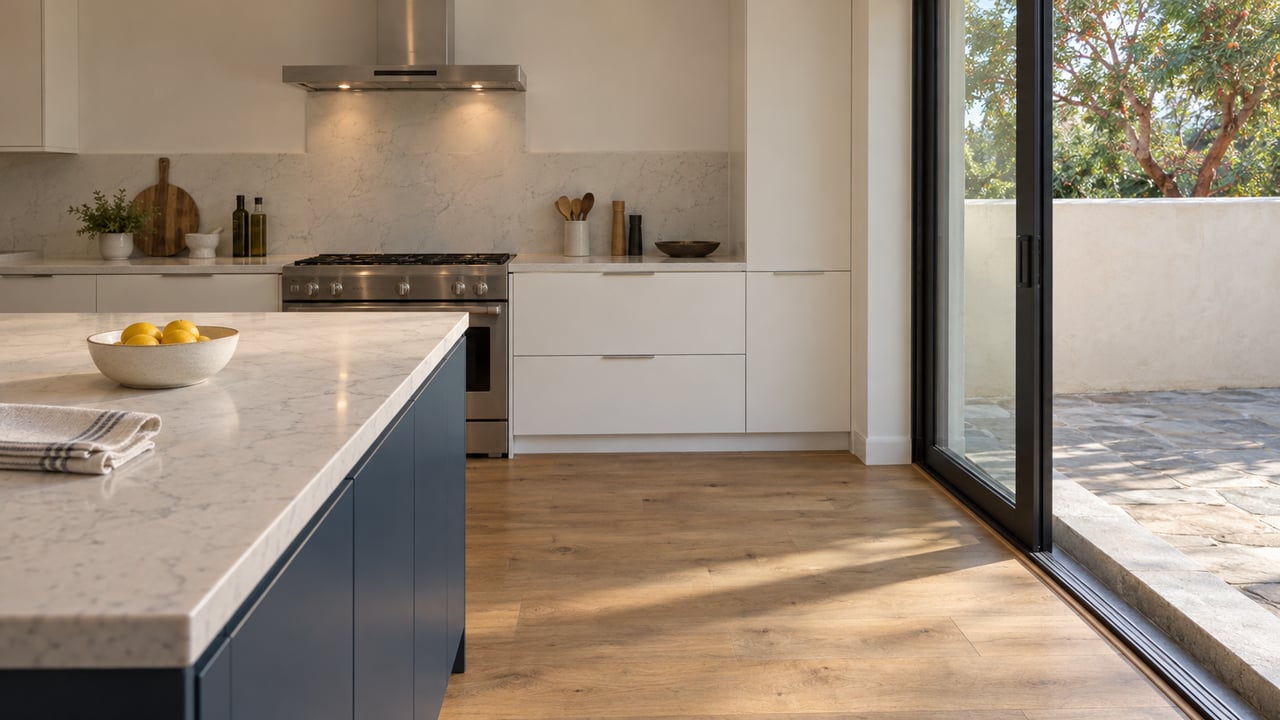
Here's the part that surprises most people managing an estate. If the real estate side of a San Carlos sale, list to accepted offer to closed escrow, fits inside a matter of weeks, and the legal side is measured in months, then spending four to six weeks getting a kitchen or bathroom updated before listing barely moves the total case timeline. The renovation isn't competing with the court calendar. It's happening inside slack the court calendar already has.
What it does compete with is cash. Estate funds during probate aren't a free checking account. Creditors have four months from the issuance of Letters, or 60 days from notice, whichever is later, to file claims against the estate, and California's statutory fee schedule sets both the executor's and the attorney's compensation on a graduated percentage of the estate's gross value. Money that could theoretically pay for repairs is frequently earmarked, restricted, or simply not liquid, because the house is often the estate's largest asset and the least liquid one.
That's the actual friction in a San Carlos probate sale, and it's not a legal problem, it's a cash-flow problem. A model that funds the renovation and collects the cost at close means the estate doesn't have to advance money it may not have free during the exact months creditor claims and statutory fees are also coming due. It also produces the kind of documented, licensed work a court wants to see if an expense is ever questioned at final accounting. For an estate where speed matters more than maximizing every dollar, an as-is sale removes the renovation question entirely and lets the executor close on the legal timeline without adding a construction timeline on top of it.
A Neighborhood Mid-Project
San Carlos itself is showing a home in progress right now. Construction broke ground in June 2026 on the Navajo Family Apartments, a 45-unit development at 7005 Navajo Road built on the site of the long-closed Nicolosi's Italian Restaurant, a family-owned spot that left the neighborhood for Santee in 2022. Councilmember Raul Campillo, whose district includes the site, called the location close to "the best park in all of San Diego in Mission Trails Regional Park." The building is expected to open in 2027.
A few blocks over, the Navajo Community Planning Group has spent 2026 working through a road-diet proposal on Jackson Drive, requesting a speed limit drop from 40 to 35 miles per hour and a lane reduction, alongside ongoing construction at the College Avenue, Waring Road, and Navajo Road intersection. Anyone scheduling showings or an open house in the neighborhood this year is working around active construction traffic in more than one direction, which is worth building into a listing timeline the way any other logistics detail would be.
Common Questions
How long does probate actually take in San Diego County? The court's own estimate for a full administration runs 9 months to a year and a half. An estate with multiple heirs, a contested distribution, or a will contest typically runs 18 months or longer. An estate requiring a federal estate tax return carries an 18-month benchmark under Probate Code section 12200, extending the realistic range to 15 to 24 months.
Can an executor start repairs before the estate is fully closed? Once the court issues Letters Testamentary or Letters of Administration, the personal representative has authority to act, including marketing and improving the property, well before the estate reaches final distribution. Sale proceeds remain estate property until distribution, and expenses are expected to be documented as reasonable and tied to the sale.
Does a probate sale in San Carlos require the usual disclosures? A personal representative is exempt from the standard Transfer Disclosure Statement, but is still required to disclose known material facts about the property using an Exempt Seller Disclosure form. California's other disclosure obligations still apply to a probate sale the same way they would to any other.
If you're an executor or heir working through a San Carlos estate and trying to figure out where the renovation decision fits inside the court timeline, Renovation Realty funds and manages that work before the sale closes, so the estate isn't the one carrying the cost while probate runs its course. Book a Free Home Evaluation to talk through what the property actually needs before it goes to market.