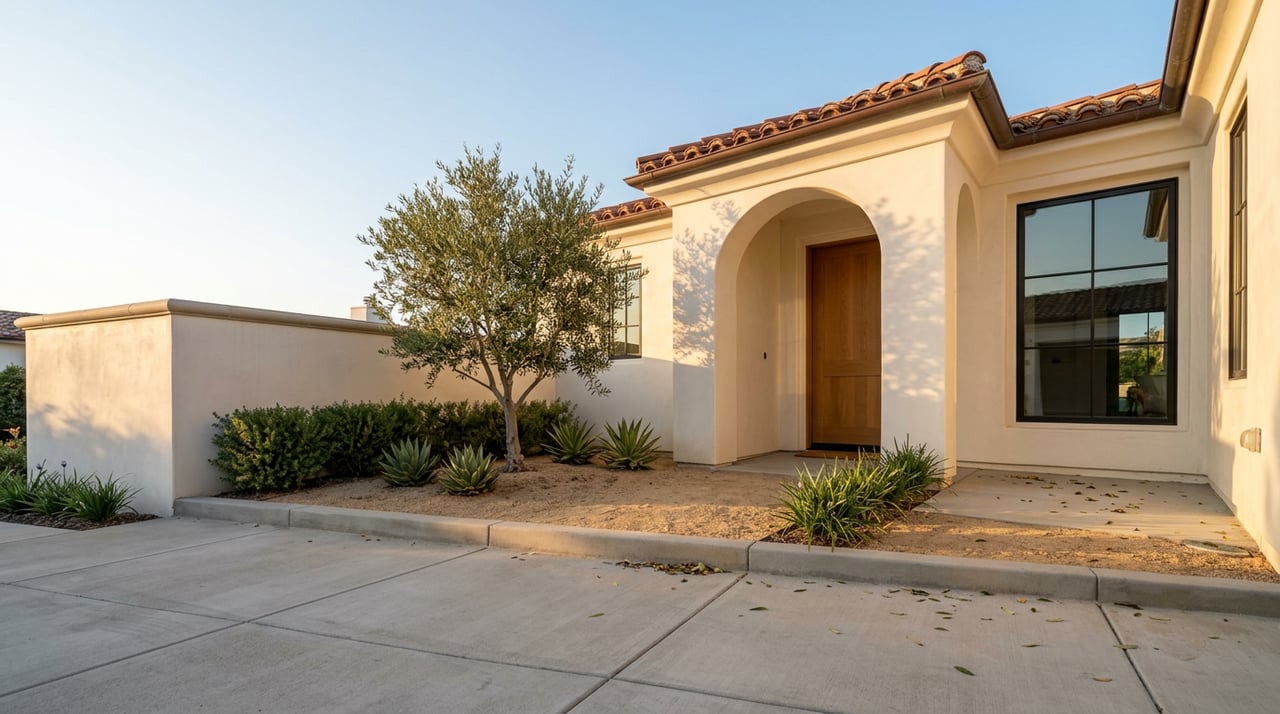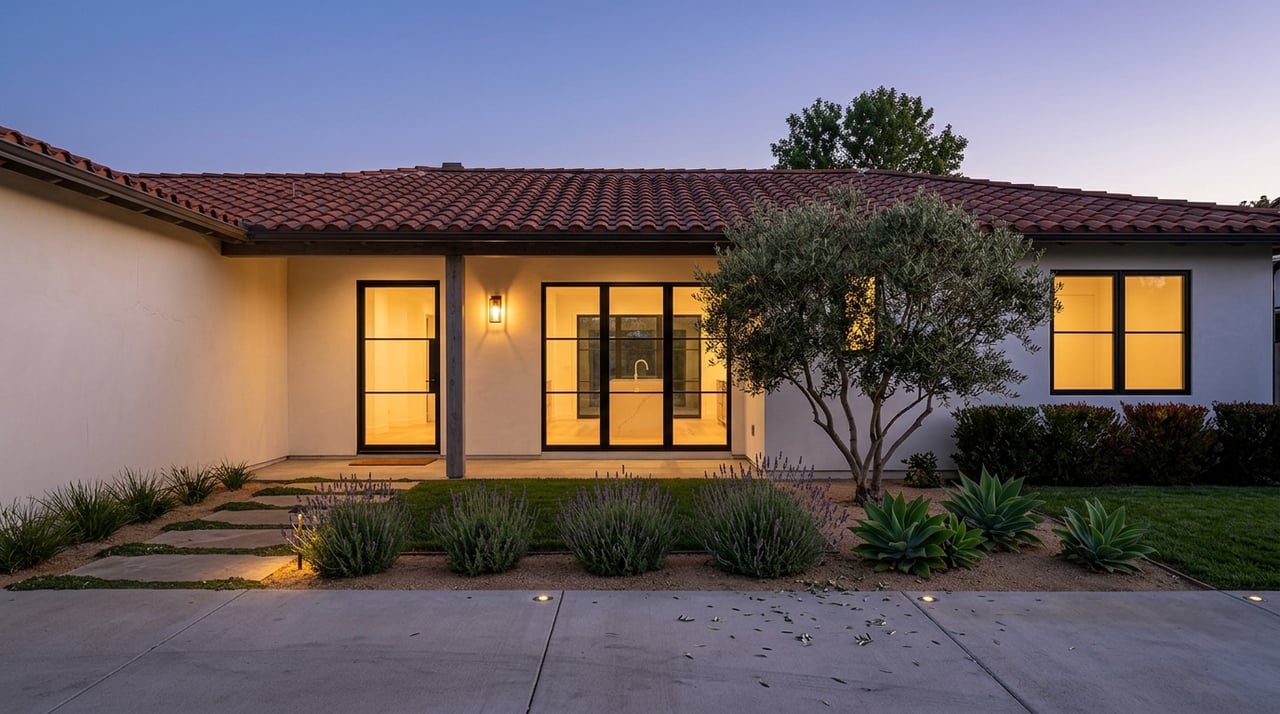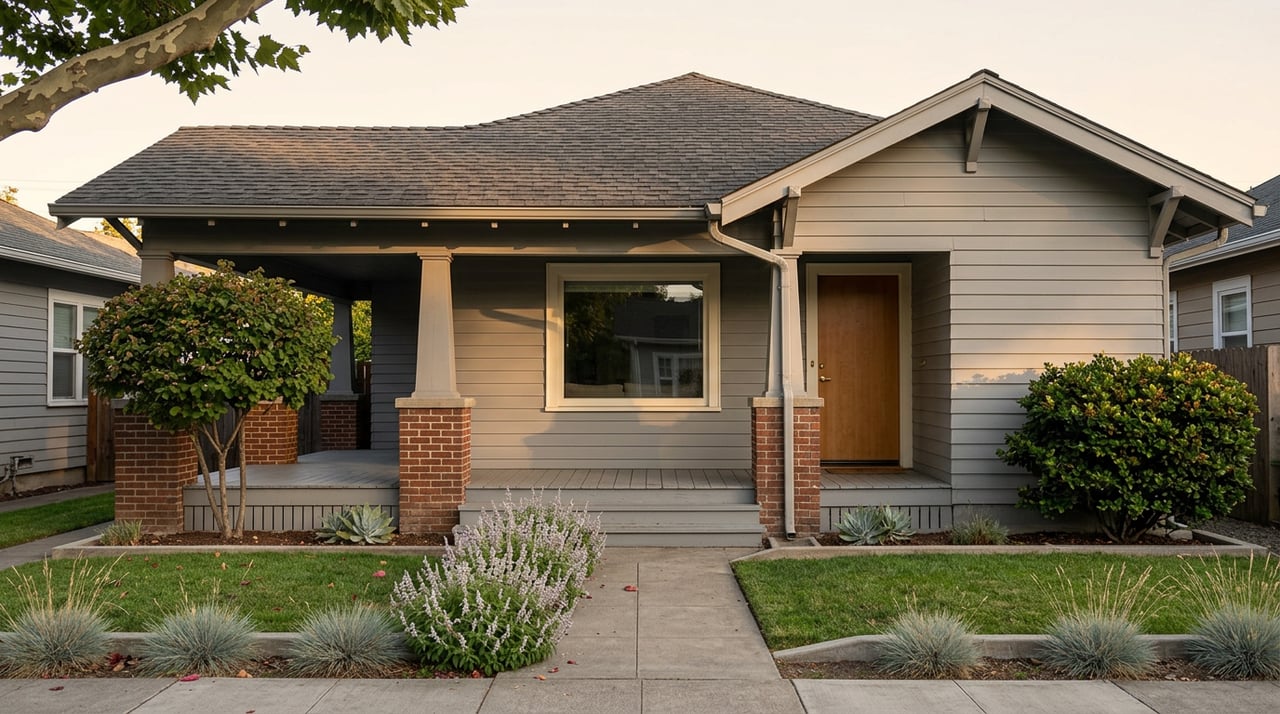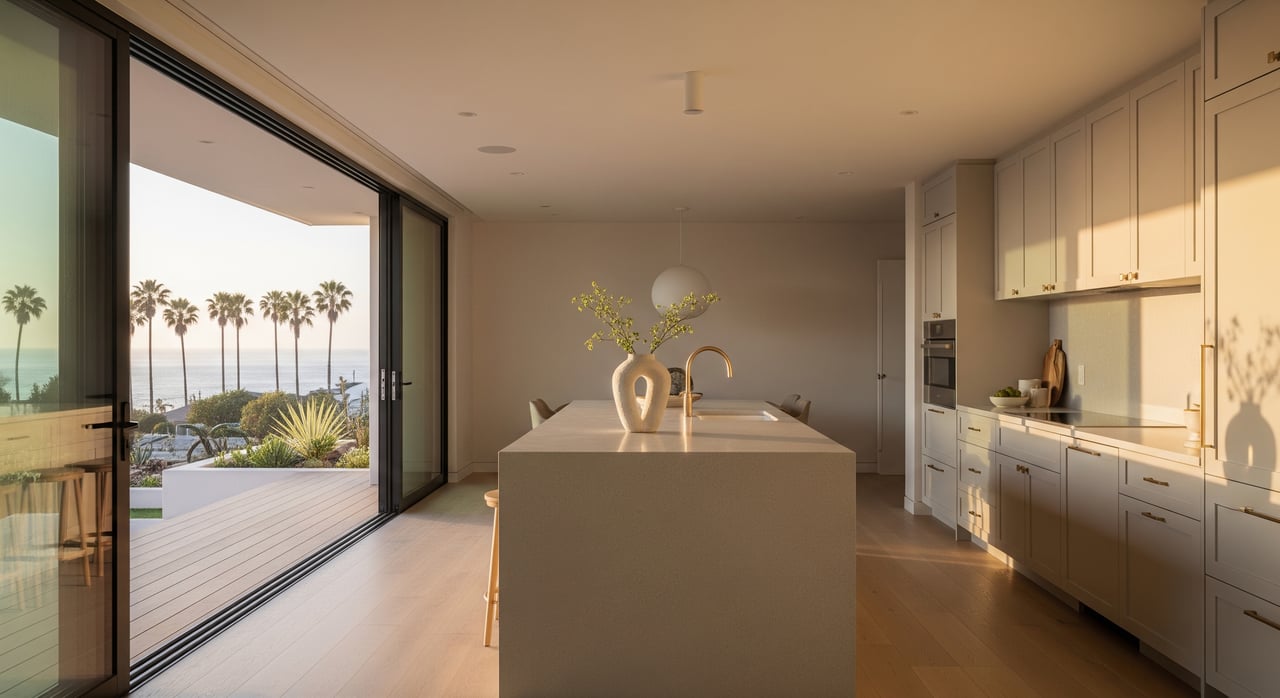
Thinking about selling your San Diego home but not sure if you should fix it up first? You are not alone. Many sellers want the best price without draining savings or juggling contractors. In this guide, you will learn how pre-sale renovation works in San Diego, what it costs, how long it takes, and how to choose the right path for your situation. Let’s dive in.
What pre-sale renovation means
Pre-sale renovation helps you upgrade your home before it hits the market so buyers see a move-in ready property. You can choose from a few common paths:
- Renovate to list with pay-at-closing: A vendor funds and manages improvements, then gets repaid out of escrow when your home sells.
- Traditional seller-funded improvements: You hire contractors and pay out of pocket or use a HELOC or cash-out refinance.
- As-is cash offer: You sell without renovating. It is faster and simpler, though the sale price is usually lower.
- Buyer-directed renovation financing: Less common for sellers, because buyers use these loans after purchase.
The key tradeoff is speed versus price. Renovating takes time but can improve buyer interest and your net proceeds. As-is cash sales are quick and certain, but they usually net less. Whatever path you choose, permitted work and clear disclosures reduce risk during escrow.
Step-by-step: Your San Diego renovation-to-list plan
1) Intake and walkthrough
You, your listing agent, and a renovation partner walk the property to identify what will limit price or marketability. Expect a prioritized scope, a budget range, and an estimated timeline focused on high-impact items like paint, flooring, kitchens, baths, curb appeal, and any safety or systems issues.
2) Scope planning and estimates
The team aligns the scope to your price tier and the expectations of San Diego buyers in your area. You receive itemized estimates from licensed contractors and a plan for staging. Decide what needs permits and what is cosmetic.
3) Contracting and approvals
If you use a pay-at-closing program, you sign an agreement that sets scope, pricing caps, schedule, fees, repayment terms, and who pays for change orders. If you hire contractors yourself, insist on written bids, proof of license and insurance, and lien release procedures.
4) Permits and inspections
The City of San Diego requires permits for many remodels, including kitchens, bathrooms, structural changes, HVAC, and major electrical or plumbing work. Cosmetic work like paint and carpet generally does not require permits. Plan for permit timing so it does not delay your listing.
5) Construction and project management
Your team orders materials, manages site access, and sequences trades to minimize downtime. Cosmetic refreshes can take 1 to 3 weeks. Mid-level projects with a kitchen refresh and one or two baths often run 4 to 8 weeks. Larger renovations can take 8 to 16 weeks or longer, especially with permit work.
6) Quality control and sign-off
Do a final walkthrough to confirm punch list items are complete. Make sure permits are finalized and lien releases and receipts are collected. This helps your listing and escrow run smoothly.
7) Staging, photography, and listing
Once the property is cleaned and complete, you move to professional staging and photography. Your listing strategy may include pre-market showings or broker tours, depending on your neighborhood.
8) Closing and repayment
With pay-at-closing programs, renovation invoices are repaid from sale proceeds at escrow closing. If a small item remains unfinished, an escrow holdback can be used, subject to lender and escrow approval.
Costs, timelines, and what to prioritize
Typical cost ranges in San Diego
These are editorial ranges to help you frame a budget. Always get local bids for accuracy.
- Interior repaint: about $2,000 to $7,000
- Minor kitchen refresh: about $8,000 to $25,000
- Full kitchen remodel: about $30,000 to $120,000+
- Mid-range bathroom remodel: about $8,000 to $30,000 per bath
- Flooring replacement for 1,200 to 2,000 sq ft: about $6,000 to $20,000
- Staging: about $600 to $3,000+ per month
- Landscaping and curb appeal: about $1,500 to $15,000
Timelines you can expect
- Cosmetic refresh: 1 to 3 weeks
- Mid-level renovation: 4 to 8 weeks
- Major renovation: 8 to 16+ weeks
- Permits in the City of San Diego can add days or weeks, especially for larger projects
ROI and priorities that matter
- Fix issues that affect safety, financing, and inspections first. Examples include roof leaks, HVAC problems, water damage, or code issues.
- Use neutral paint, modern lighting, and clean landscaping to widen buyer appeal.
- Kitchens and bathrooms have strong visual impact. Scope them to your price tier so you do not overspend for your neighborhood.
- Staging and professional photos can help buyers see the potential.
Financing and contracts you should understand
Ways to pay
- Out-of-pocket or HELOC: You control scope and timing but take on the cash burden.
- Pay-at-closing: A vendor funds and manages the project, then gets repaid at close. Review fees, interest, and what happens if your sale does not close.
- Bridge loans or contractor advances: Short-term options with interest. Compare total costs to other programs.
- As-is cash buyers: No renovation cost but often a lower net sale price.
Key contract protections
- Put the full scope, price cap, schedule, and change-order rules in writing.
- Verify contractor licensing with the California Contractors State License Board.
- Require proof of insurance and unconditional lien releases upon payment.
- Ask exactly what happens if escrow cancels or timelines shift.
Permits, disclosures, and escrow realities
- The City of San Diego requires permits and inspections for many remodels. Plan for this early.
- You must disclose known material facts and any unpermitted work. Lack of disclosure can create risk and delay closing.
- Some lenders or title companies can require remediation or holdbacks for unpermitted work or condition issues.
- Wood-destroying pest reports are common requests in San Diego escrows.
HOA and condo notes
- If your home is in an HOA or condo, check rules about alterations and vendor insurance.
- Some associations require architectural approvals that add time.
What San Diego buyers often expect
San Diego is diverse. Buyer expectations vary by area and price tier, but a few themes are consistent:
- Move-in ready condition helps listings stand out.
- Outdoor living is a big plus. Patios, simple landscaping, and low-maintenance yards photograph well and show well.
- Updated kitchens and bathrooms set the tone for value.
- Coastal buyers often care about views and exterior upkeep. Inland buyers often prioritize interior updates and space.
The right scope aligns with your neighborhood and price point. A targeted refresh can outperform a full gut remodel when the market does not demand it.
Hypothetical example: How the numbers could work
This is a simple illustration. Actual results vary based on location, condition, and market.
- As-is value estimate: $900,000
- Scope: Kitchen refresh, interior paint, and staging
- Renovation cost: $25,000 funded by a pay-at-closing vendor
- Timeline: 5 weeks from contract to professional photography
- List result: Final sale at $940,000 after multiple offers
- Repayment at closing: $25,000 plus a 5% vendor fee of $1,250
- Net uplift: $40,000 price increase minus $26,250 repayment equals $13,750 higher net before agent fees and standard closing costs
This example shows how a targeted, short timeline project can improve your bottom line without out-of-pocket spending.
Vendor due diligence checklist
Ask these questions before you sign:
- Are you licensed to operate in San Diego as both a contractor and, if applicable, a brokerage?
- Who manages permits and inspections, and how will you verify final sign-off?
- What is the total cost, including fees or interest, and what is the cap?
- What happens if escrow cancels or the sale takes longer than expected?
- Who pays for change orders and why might they occur?
- Will you provide unconditional lien releases on progress payments and at completion?
- Do you operate locally with references and recent San Diego projects?
When as-is or a cash offer makes sense
Sometimes speed, certainty, or property condition make a cash sale the better path. If you are handling an estate, relocating on a deadline, dealing with a problem tenant, or facing financial stress, you may prefer a quick, guaranteed closing over renovation. You can also combine options, using a small seller advance to solve a short-term need while preparing for a renovate-to-list plan.
Get a local, accountable partner
If you want a single team to fund, manage, renovate, stage, and sell your home with costs repaid at closing, you can work with a local, licensed partner that aligns success with your net proceeds. Renovation programs reduce friction, focus on ROI, and keep timelines tight so you can move forward with confidence.
Ready to see what your home could sell for with a targeted pre-sale plan? Book a Free Home Evaluation with Renovation Realty (CA).
FAQs
How do pay-at-closing renovation programs work for San Diego sellers?
- A vendor advances renovation funds, manages the work, and gets repaid from your sale proceeds at escrow closing. Review fees, timing, and cancellation terms before signing.
What happens if my home does not sell after renovating?
- Contract terms vary. Some vendors require repayment plus fees if the sale fails or is canceled. Ask this question upfront and get the answer in writing.
Do I need permits for updates before listing in San Diego?
- Many projects do. Cosmetic updates like paint usually do not, but kitchens, baths, structural changes, HVAC, and major electrical or plumbing often require permits and inspections.
Will unpermitted work block my sale?
- You must disclose known unpermitted work. Lenders or title companies can require remediation or an escrow holdback, which may slow or risk closing.
How long does a typical pre-sale renovation take?
- Cosmetic refreshes often take 1 to 3 weeks. Mid-level projects run 4 to 8 weeks. Major renovations can take 8 to 16+ weeks, especially with permits.
Which improvements usually help most with buyers here?
- Address safety and system issues first, then focus on neutral paint, improved lighting, curb appeal, and targeted kitchen and bath updates matched to your price tier.
Can I use an escrow holdback if work is not done by closing?
- Sometimes. Lenders and escrow must agree, and the holdback is typically a small percentage of proceeds with a set timeline to finish the work.